AMERICAN ASIAN X
Between visibility and belonging: Reimagining how Asian and Asian American models appear in US fashion images
A VISUAL ESSAY
MKTG 599 | DR. STEVEN CHEN | FALL 2025
PREPARED BY E.SARADPON
Fashion often uses a narrow, marketable version of “Asian identity” that centers light skinned East Asian faces while sidelining the rest of Asia. This visual essay traces how those patterns emerge across campaigns, casting, and cultural imagery—and how visibility can exist without true representation.
This essay uses images from fashion campaigns, runway archives, and celebrity CONTENT to trace patterns of inclusion, exclusion, and tokenization. The visuals serve as evidence—showing how representation is constructed, not merely who appears.
WHERE WE STARTED.
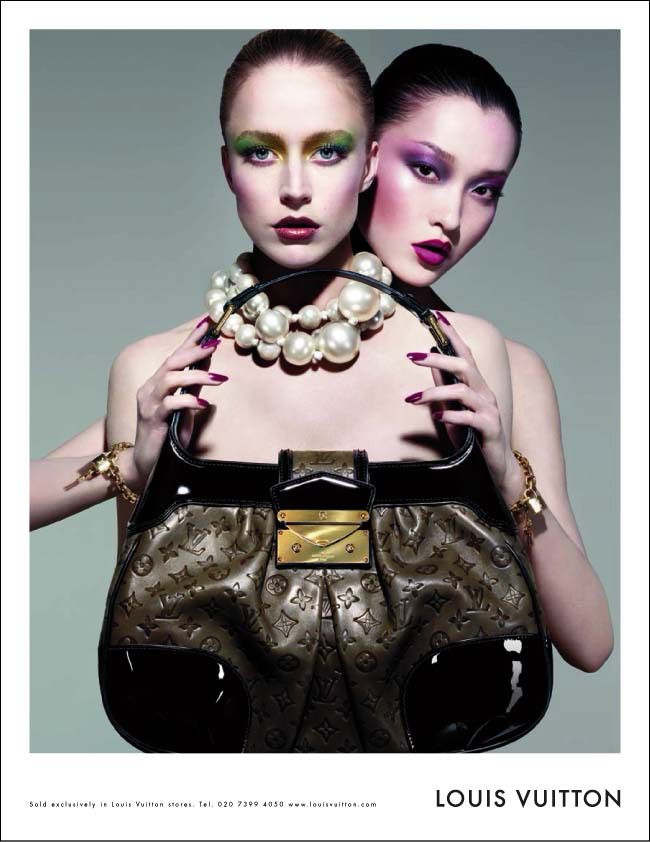
HALF SEEN: The Asian model is pushed behind the central figure, visible but not centered — included, yet visually subordinated. Her presence signals “diversity,” but the framing makes clear she is an accessory to the image, not the focus.
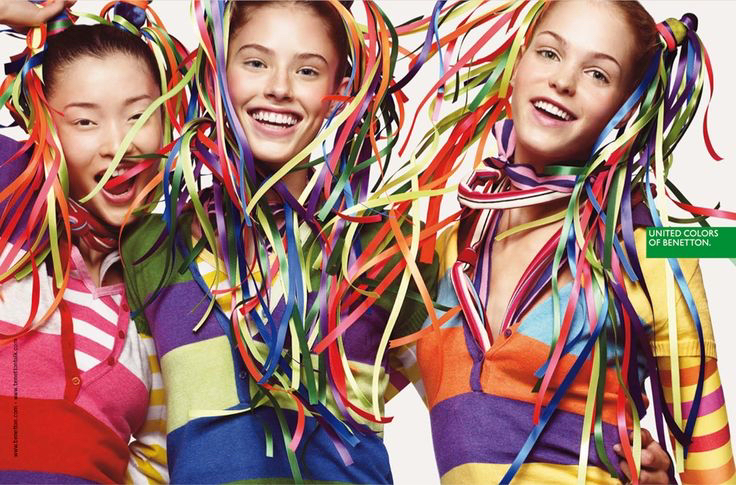
THE TOKEN IN TECHNICOLOR: A single Asian girl appears among a cheerful cast, performing diversity rather than embodying it. She is one of many in the frame, yet her role is to check a demographic box — a familiar advertising move where representation is symbolic but never centered.
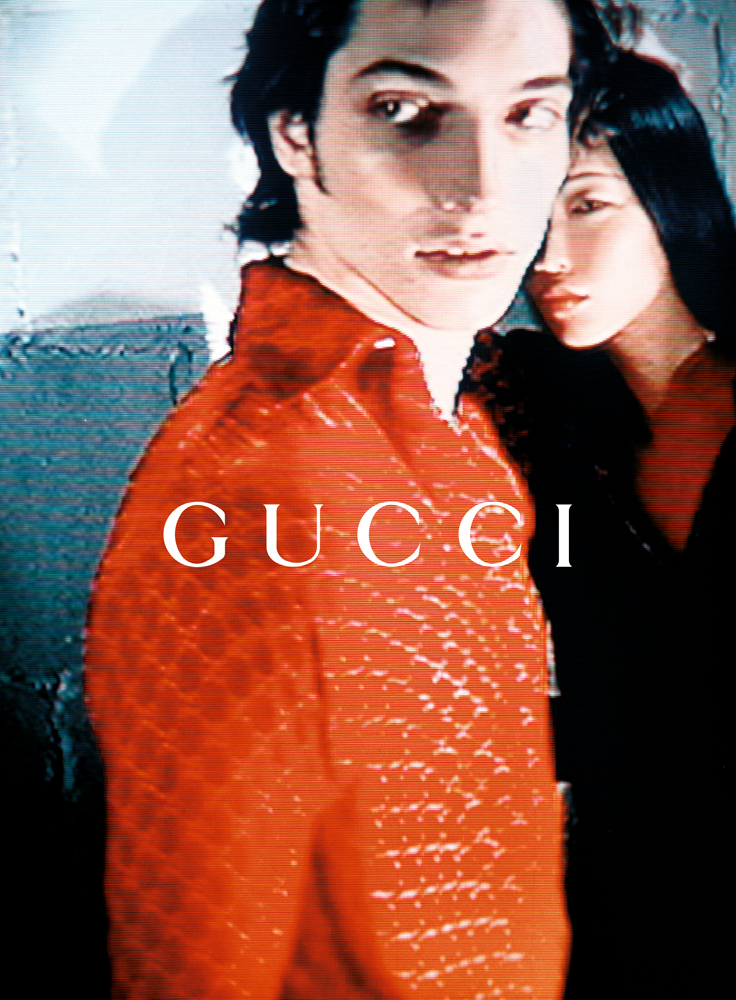
BACKGROUNDED AND BLURRED: The Asian woman is literally placed behind the white male figure, partially obscured and visually subordinate. Her presence signals “diversity,” but the framing preserves the hierarchy: visibility without voice, inclusion without focus.

LONE RANGER: Liu Wen’s achievements were often used by brands to signal “progress,” yet she was frequently the only Asian model in a campaign or lineup. This reflects how inclusion often happens through individual exception rather than structural change.
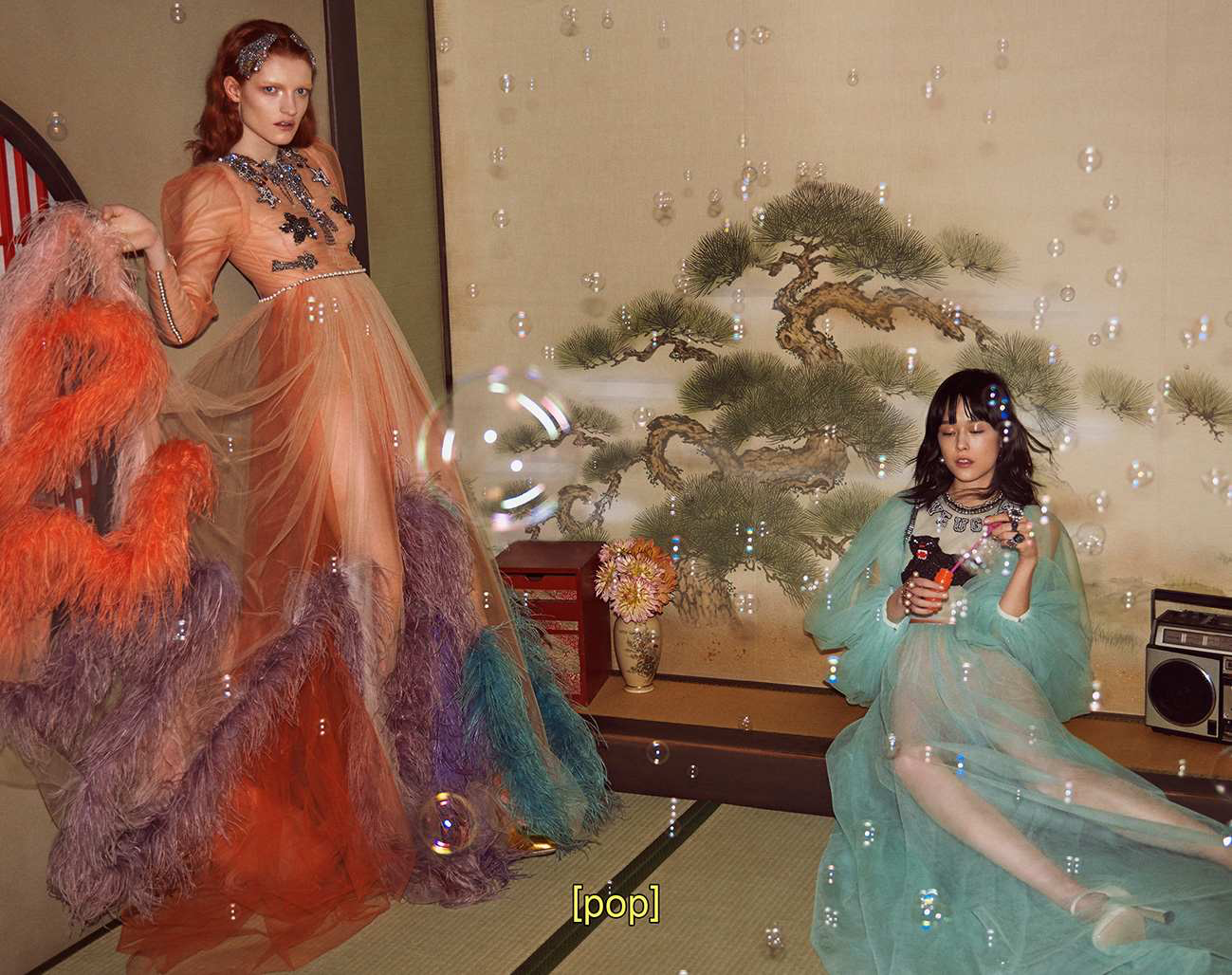
SCENERY, NOT SUBJECTS: Gucci stages Japan as an aesthetic backdrop while placing non-Japanese models at the center. The local faces are blurred into the environment, turning a living culture into visual texture rather than representation.
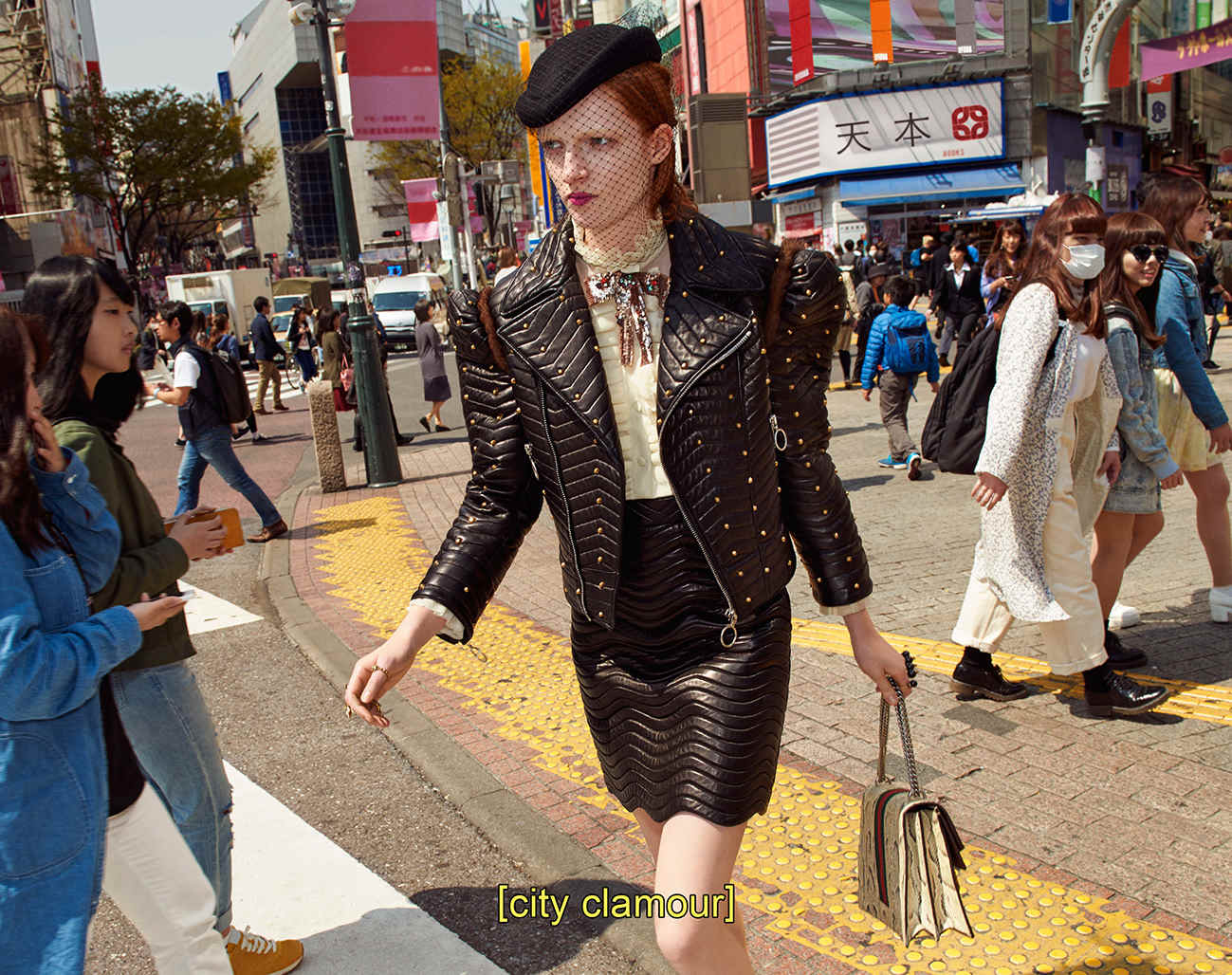
THE BACKGROUND LOCALS: Japanese people appear only as passersby, reinforcing the hierarchy of who gets to embody luxury. The campaign uses the country’s atmosphere but not its people, reducing culture to a cinematic set.
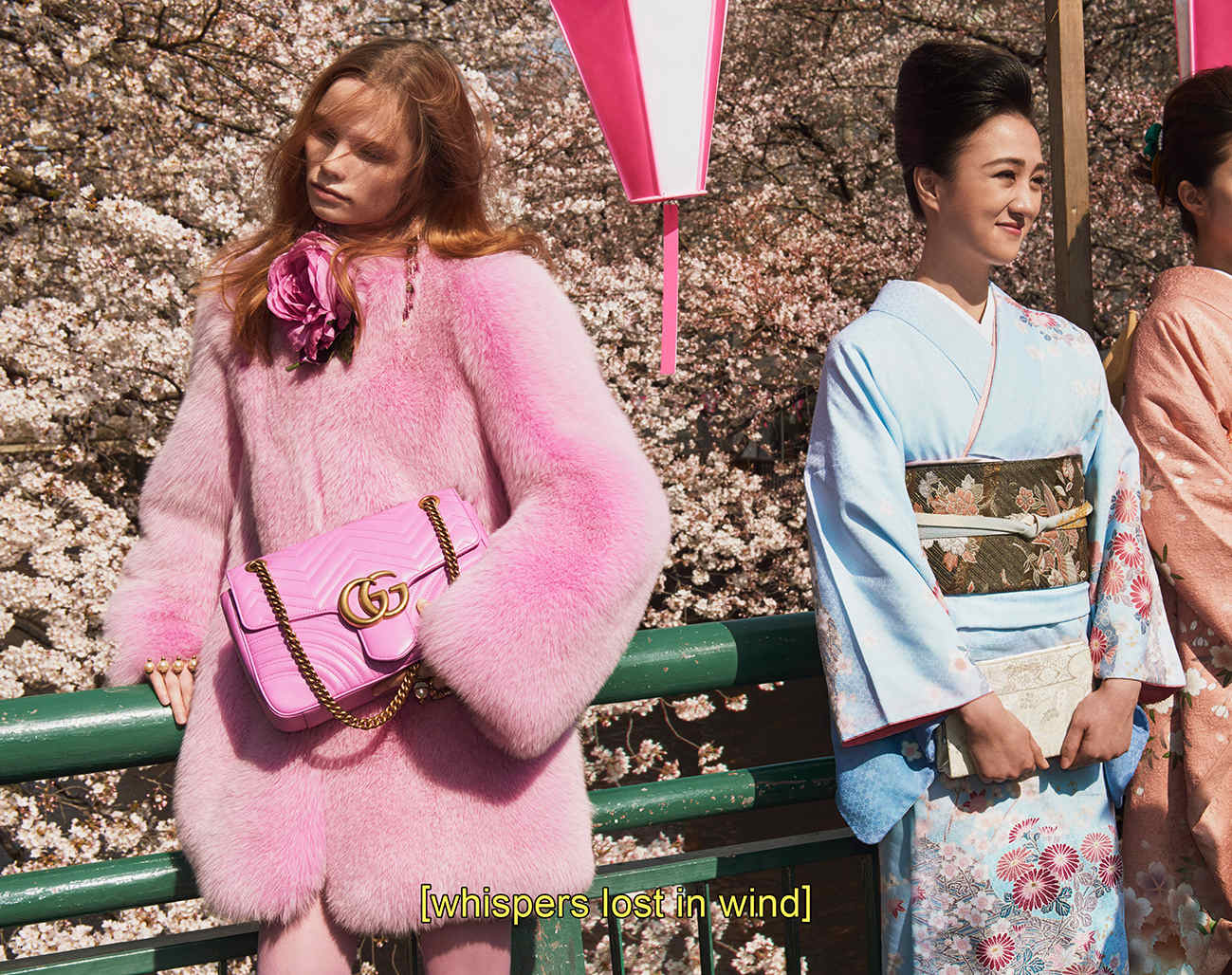
CULTURAL DÉCOR: This composition treats Asian women in kimono as atmospheric scenery while the Western model occupies the narrative center. The Asian subjects become cultural décor — present for texture, not agency — reinforcing a long lineage of exoticism dressed up as luxury storytelling.
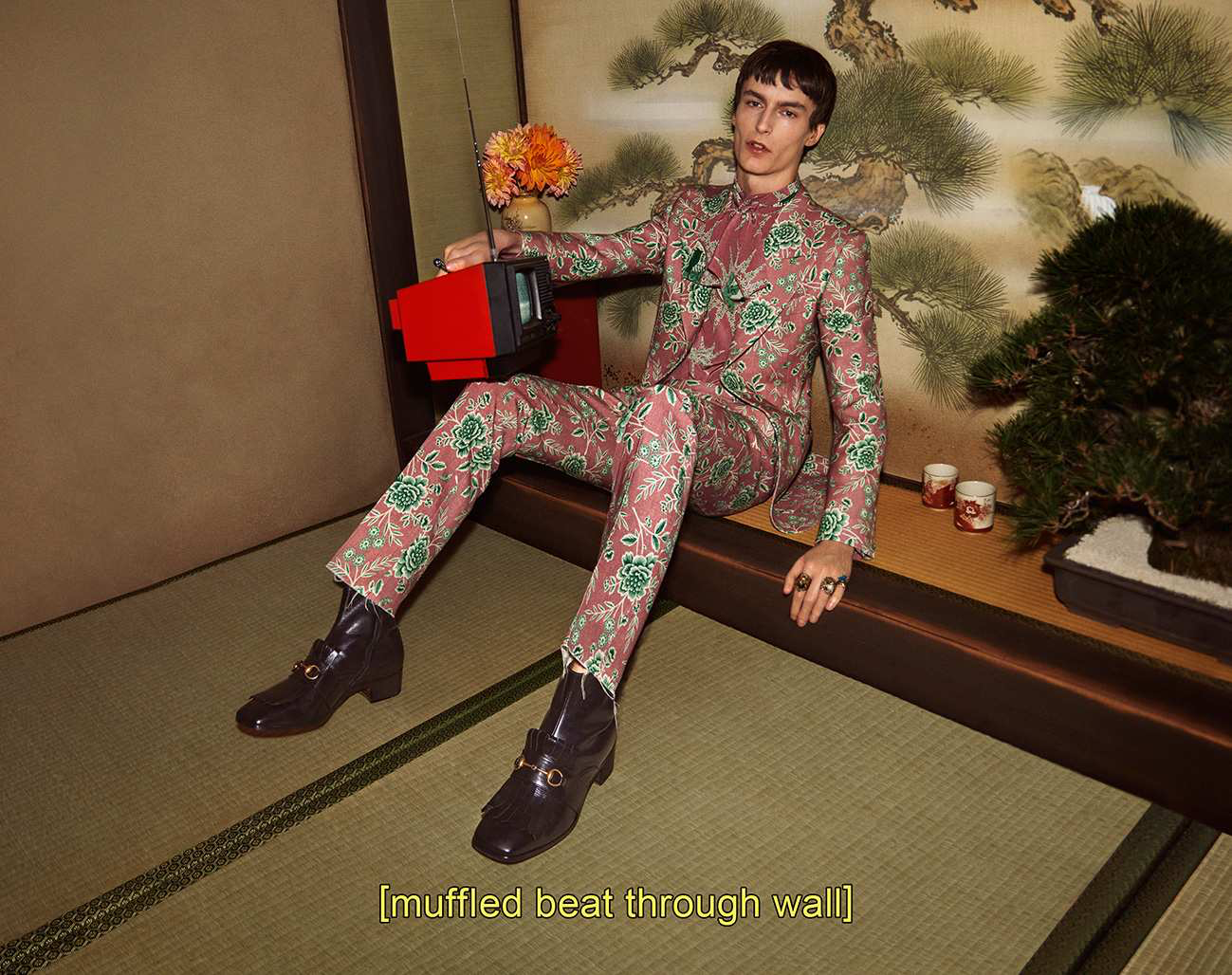
IN JAPAN, WITHOUT JAPAN: This Gucci campaign borrows the streets, signage, and energy of Japan, yet excludes Japanese models from the frame’s center. Their presence in the background creates an illusion of authenticity, but not inclusion.
WHERE WE ARE NOW.
-
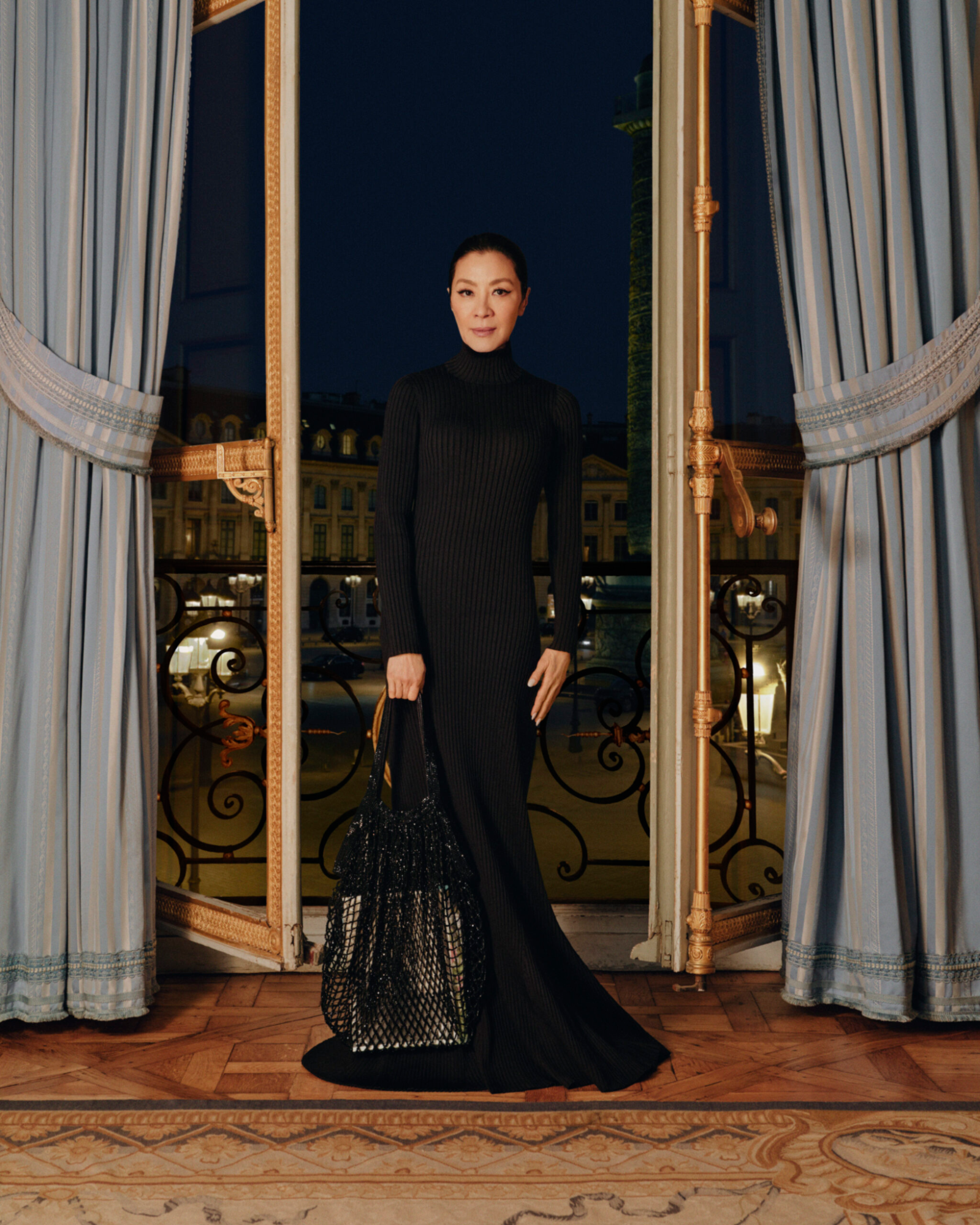
Balenciaga
Michelle Yeoh’s presence in luxury campaigns is often framed as progressive representation, yet it reflects fashion’s recurring pattern of elevating only the most globally recognizable Asian celebrities. Her visibility reinforces how the industry equates Asian identity with a small, elite circle of stars, rather than engaging with the full diversity of Asian communities across regions, ages, and lived experiences.
-
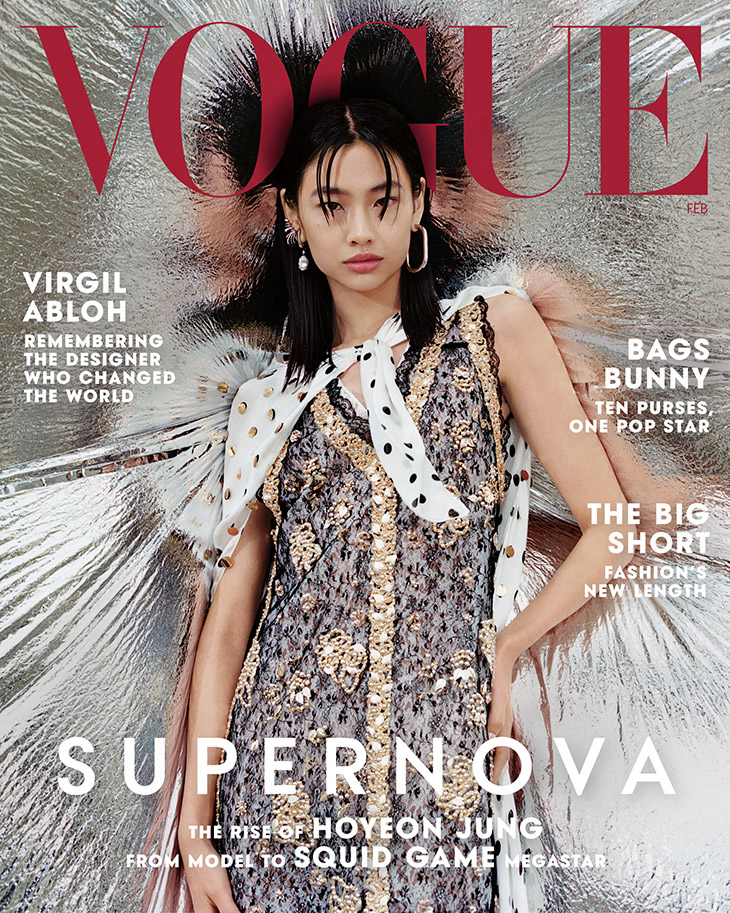
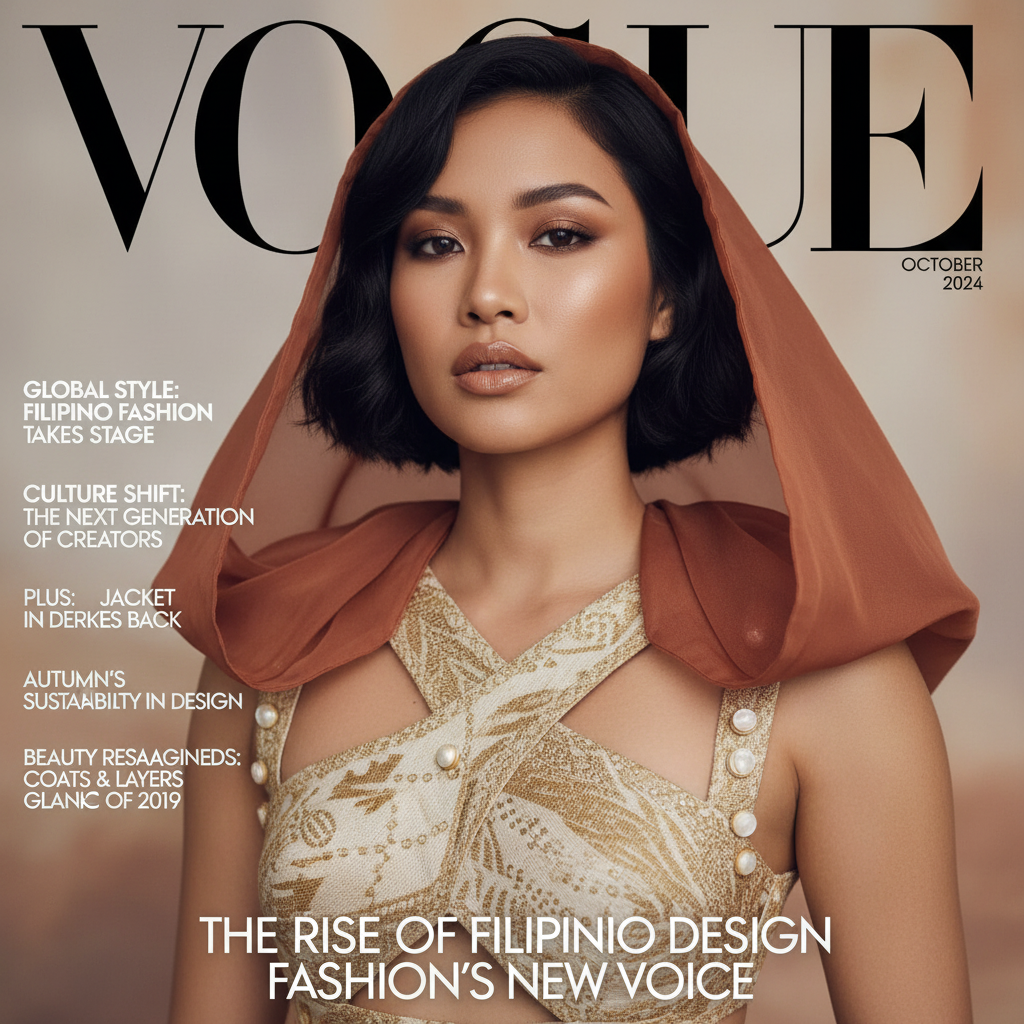
Vogue
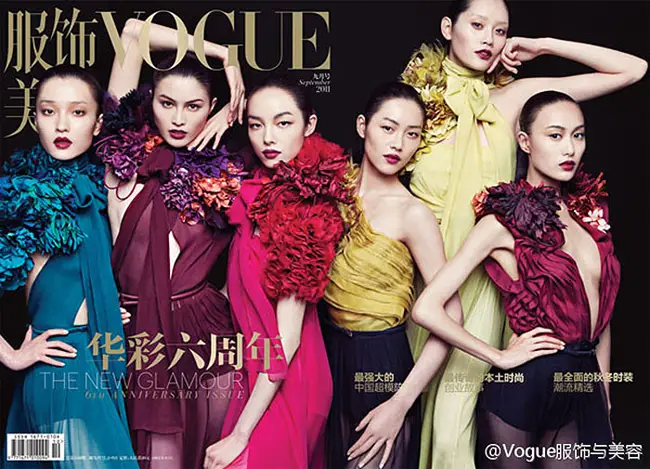
HoYeon Jung’s rise to global stardom via Squid Games made her a go to cover star for fashion media. While celebrated, her visibility also reveals how fashion relies on a small circle of high profile Asian celebrities mainly Korean to represent an entire, vast, and diverse continent.
Of note: This is the first Asian woman to appear solo on the cover of U.S. Vogue, on the February 2022 issue.
-
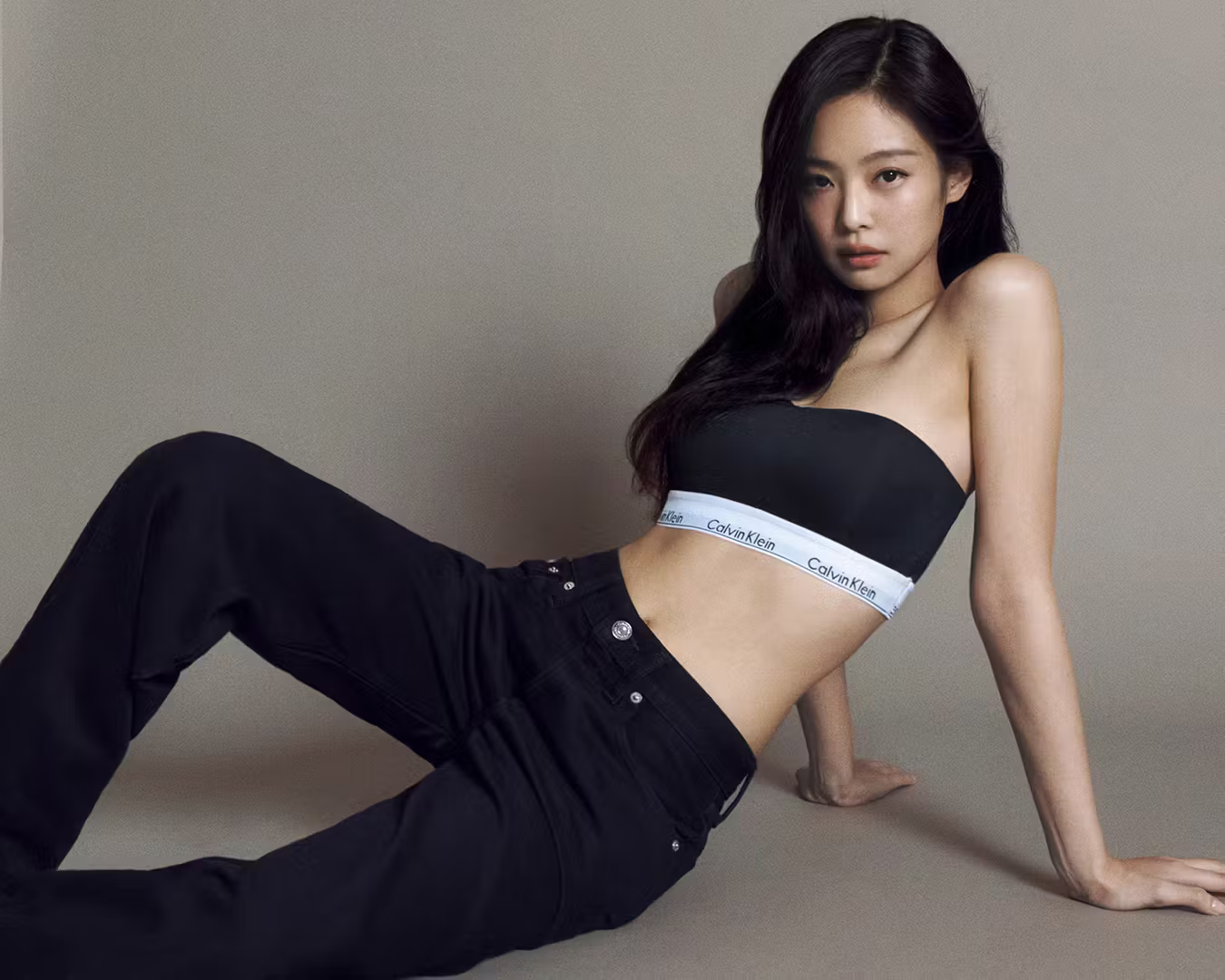
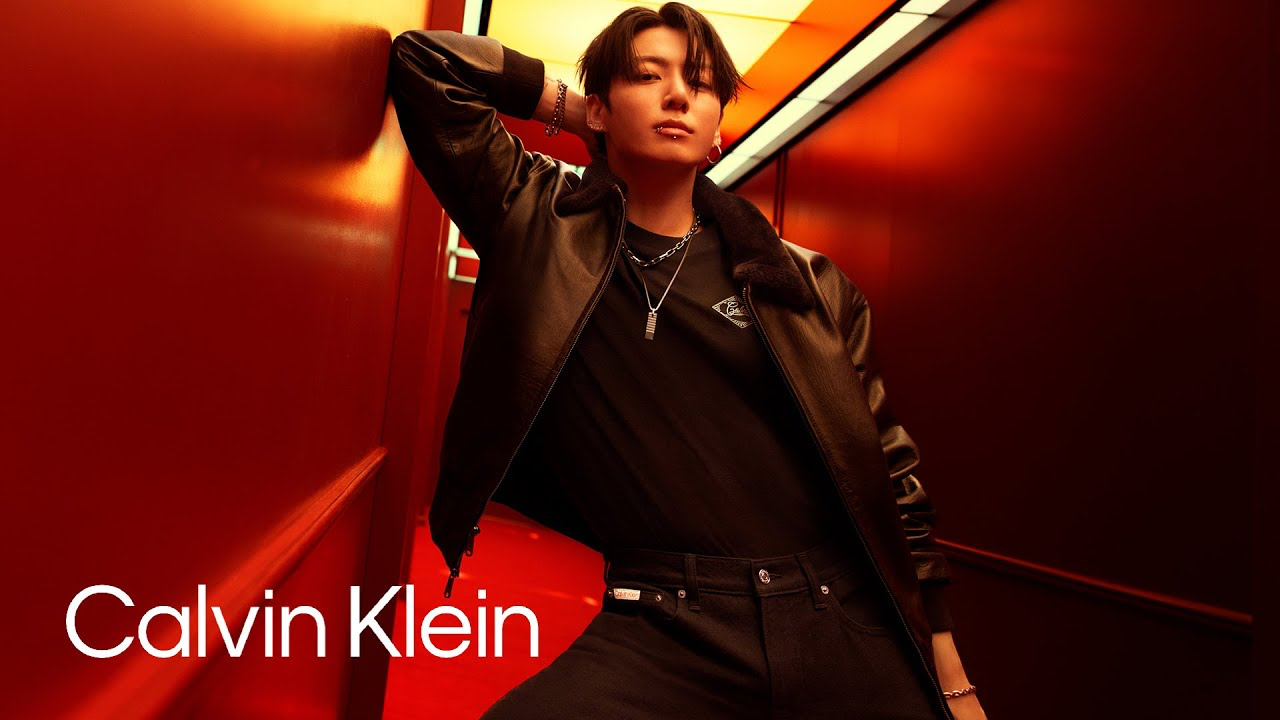
Calvin Klein
Jennie is one of the most globally recognizable Asian celebrities, and brands like Calvin Klein repeatedly rely on her star power. This creates the illusion of Asian inclusion, yet it reduces representation to a narrow set of famous Korean figures rather than engaging with the full spectrum of Asian identities.
-
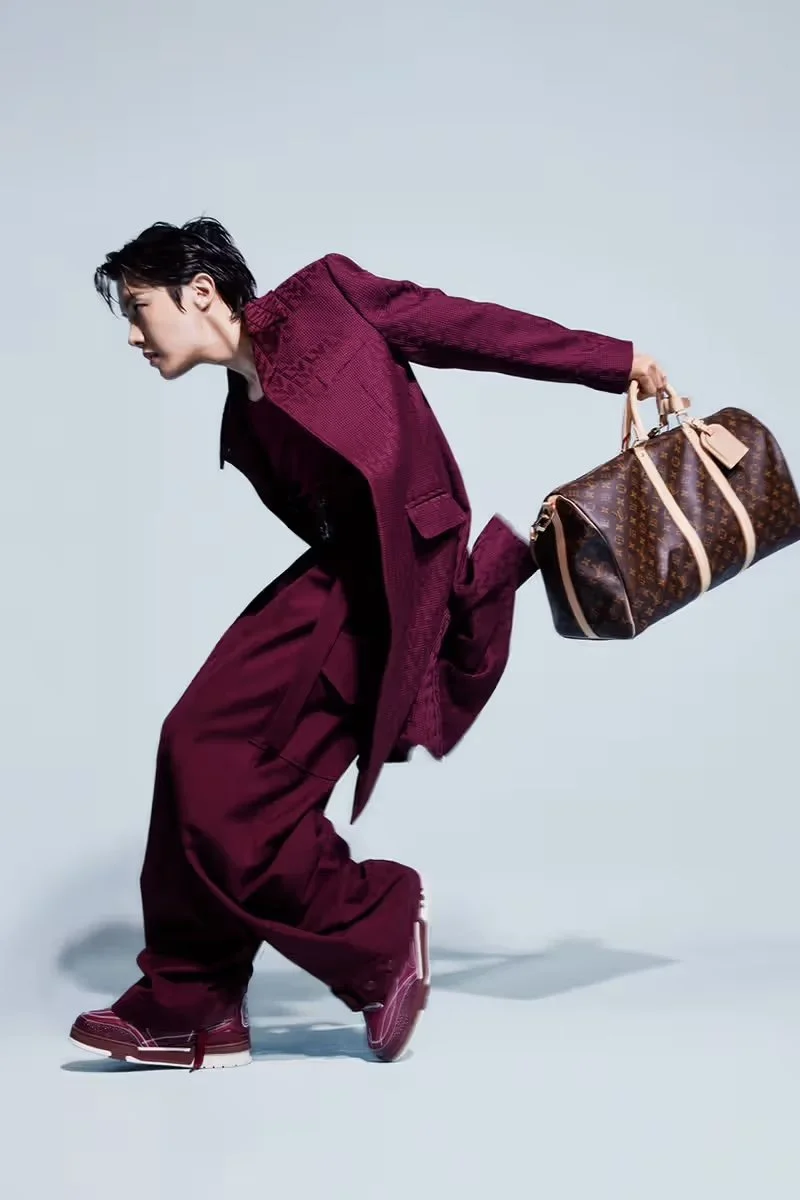
Louis Vuitton
Louis Vuitton’s campaigns increasingly draw on the global influence of BTS, tapping into the group’s unprecedented cultural reach. Yet this reliance on mega-celebrity power continues fashion’s pattern of showcasing Asian identity only through a narrow set of hyper-visible figures from Korea, Japan, and China. The result is representation that feels expansive on the surface but remains limited to a small, superstar-driven slice of Asian experience.
-
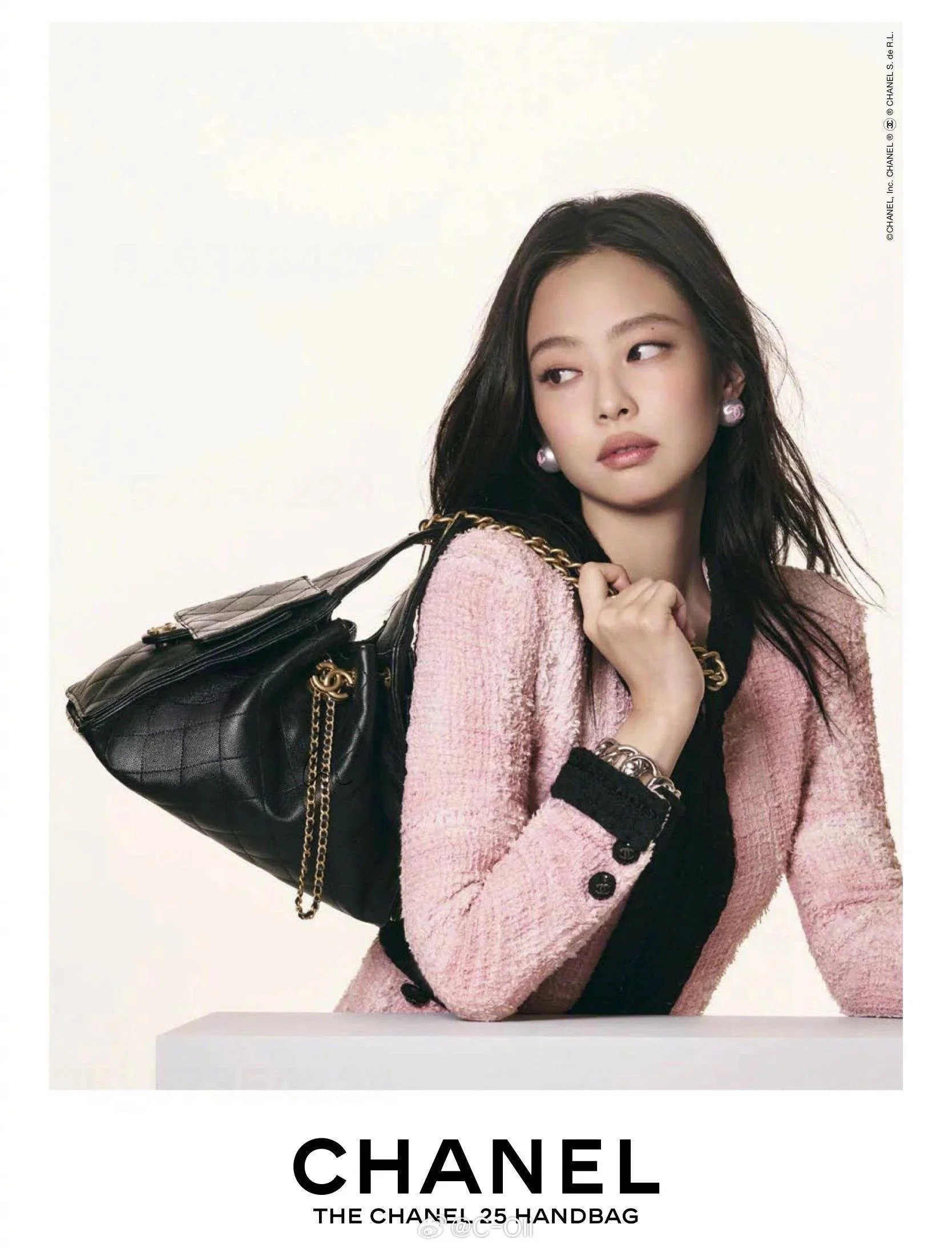
CHANEL
Chanel’s Asian representation is almost entirely through ultra-visible stars from Korea, Japan, and China as seen here with Blackpink’s Jennie.
-
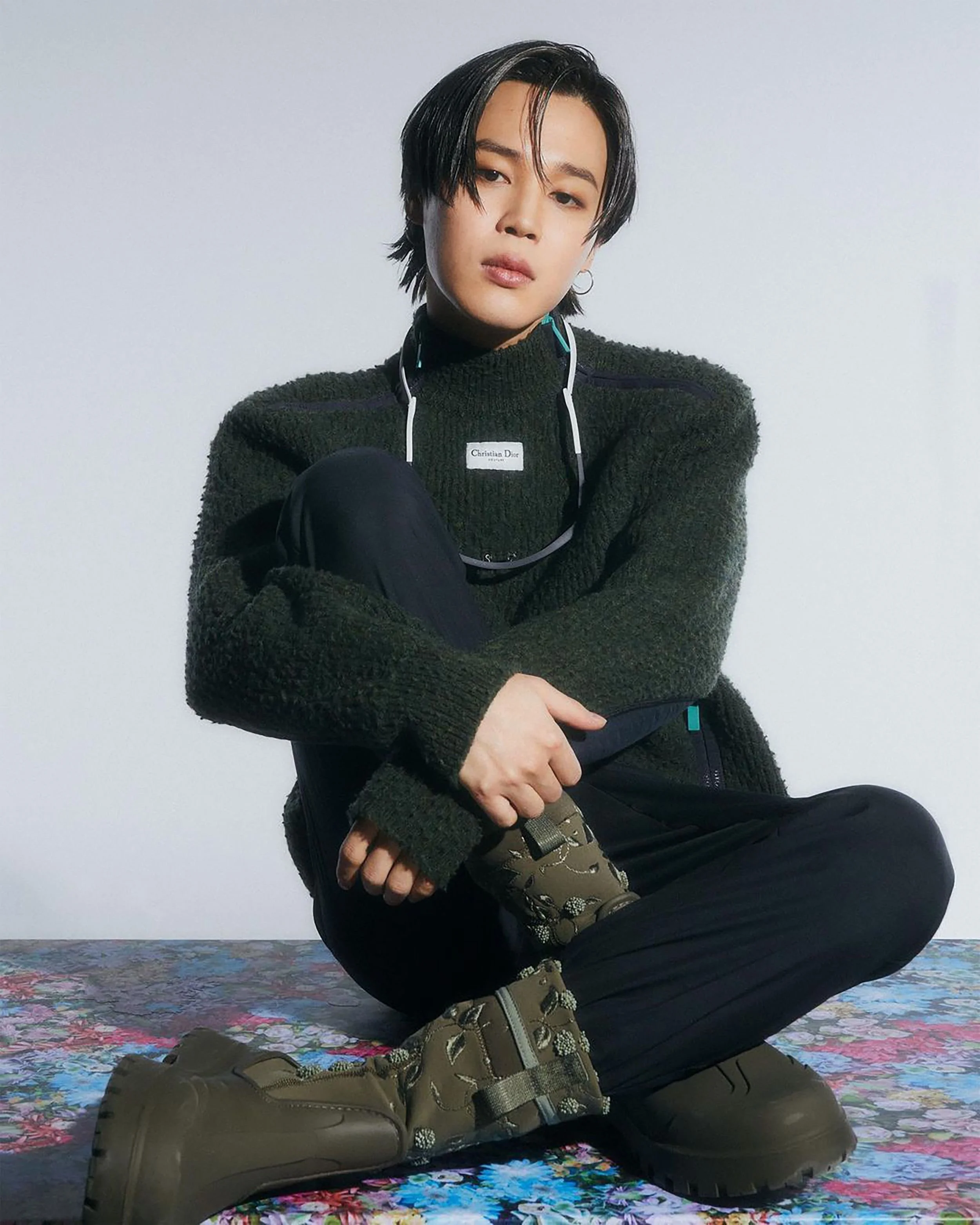
DIOR
Dior’s global visibility of Asian identity is overwhelmingly funnelled through K-pop celebrities and Chinese megastars, reinforcing the “East Asia = representation” problem.
-
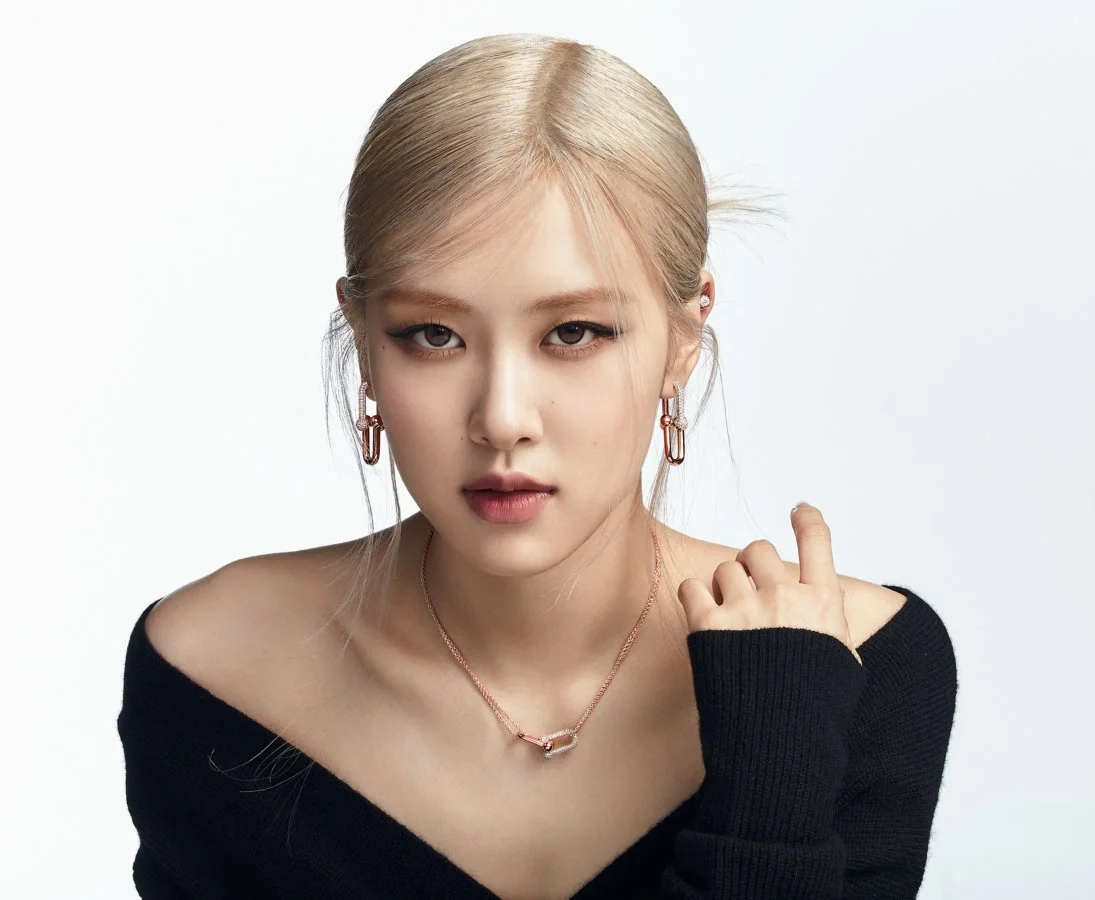
TIFFANY & CO.
Tiffany uses K-pop idols such as Rosé from Blackpink as global campaign anchors while relying on Chinese and Japanese celebrities for regional influence.
-
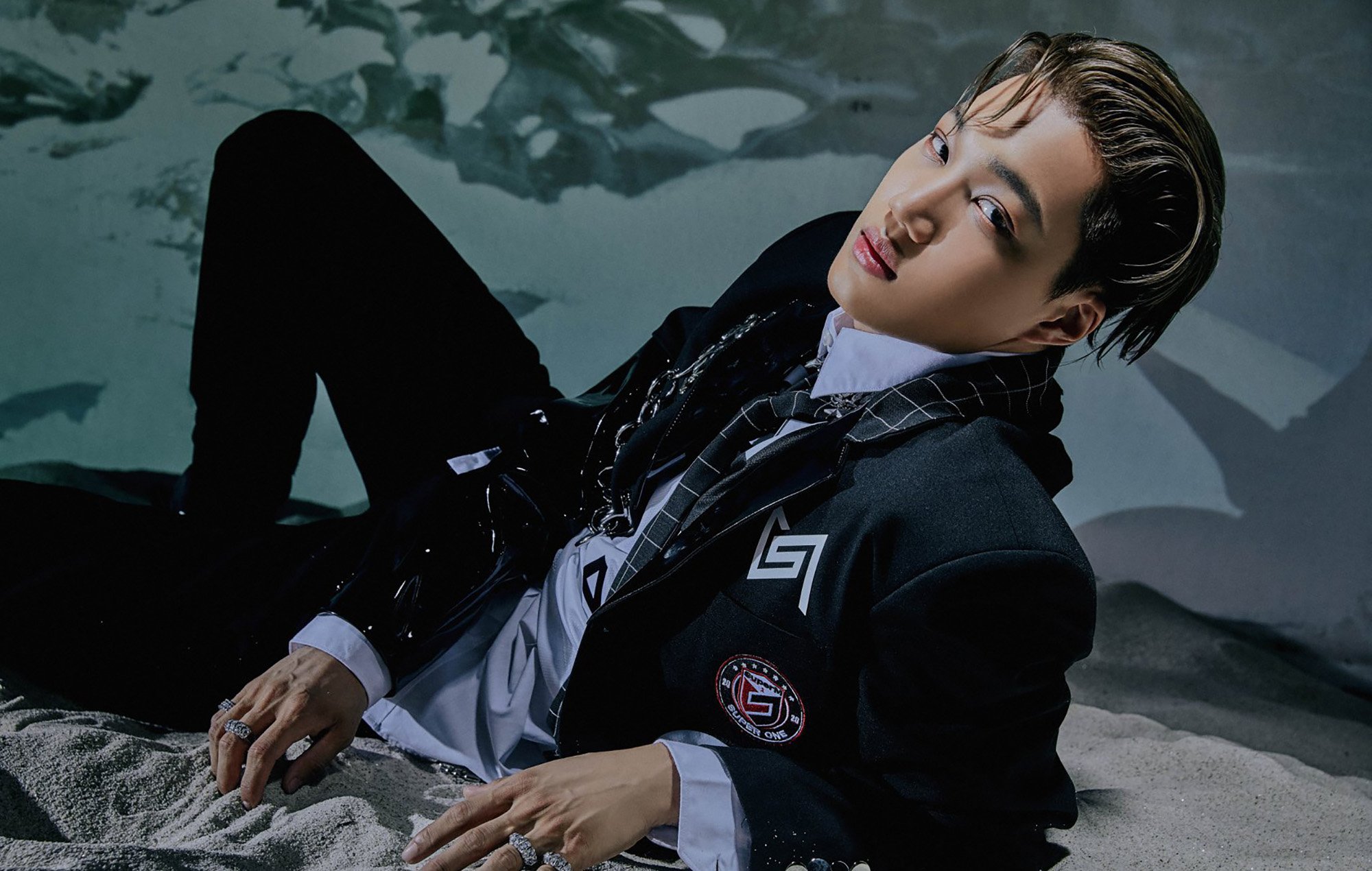
GUCCI
Gucci’s partnership with major K pop figures like Kai reflects luxury’s continued reliance on celebrity power to signal Asian representation. Rather than expanding the range of Asian identities in its imagery, the brand leans on a single, globally marketable demographic Korean pop culture stars reinforcing how visibility is tied to fame rather than diversity.
-
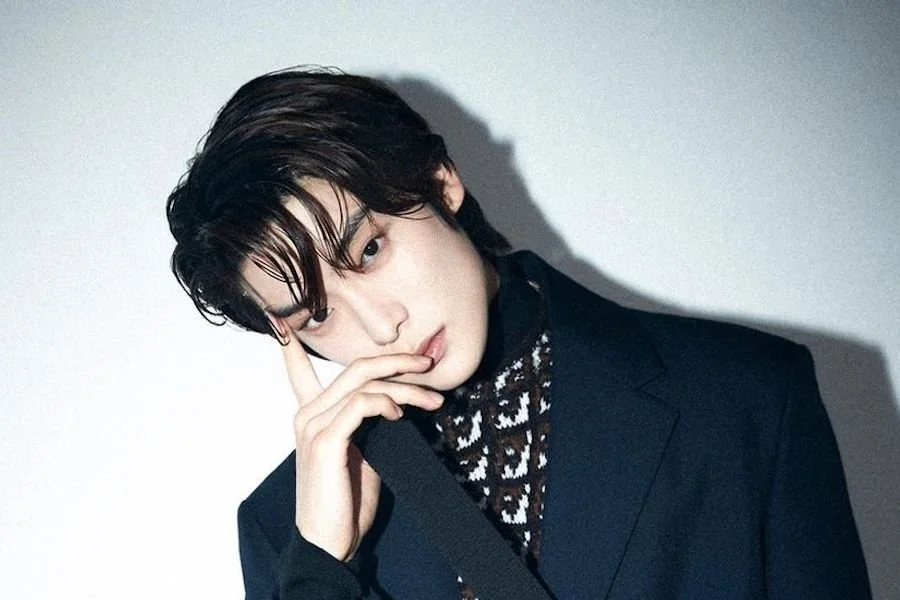
PRADA
Prada’s ongoing collaboration with Jaehyun of NCT shows how heavily luxury fashion leans on superstar Korean idols to anchor its brand image. His global visibility makes him an ideal ambassador, yet this reliance on a single region and celebrity tier narrows the broader landscape of Asian representation in luxury campaigns.
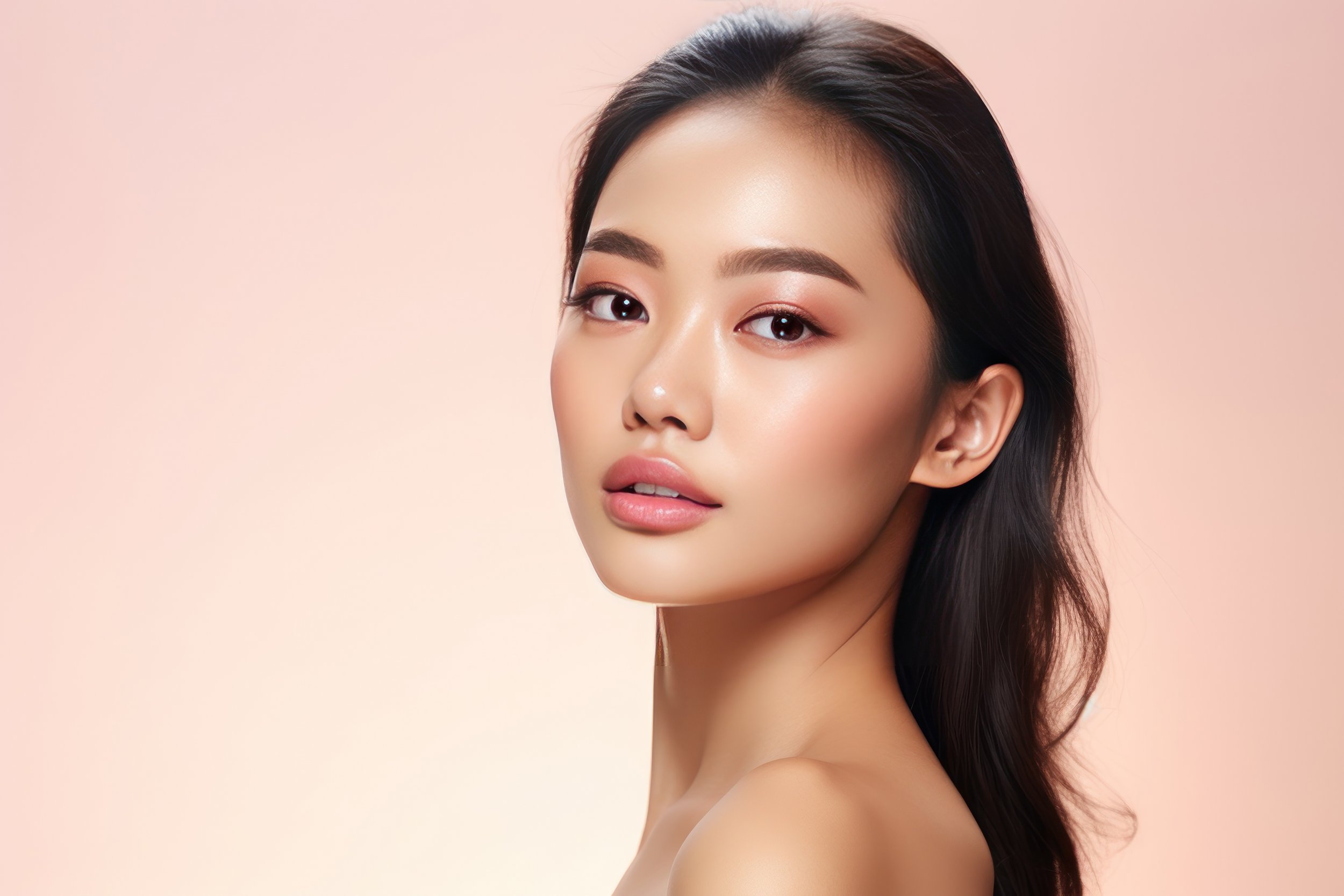
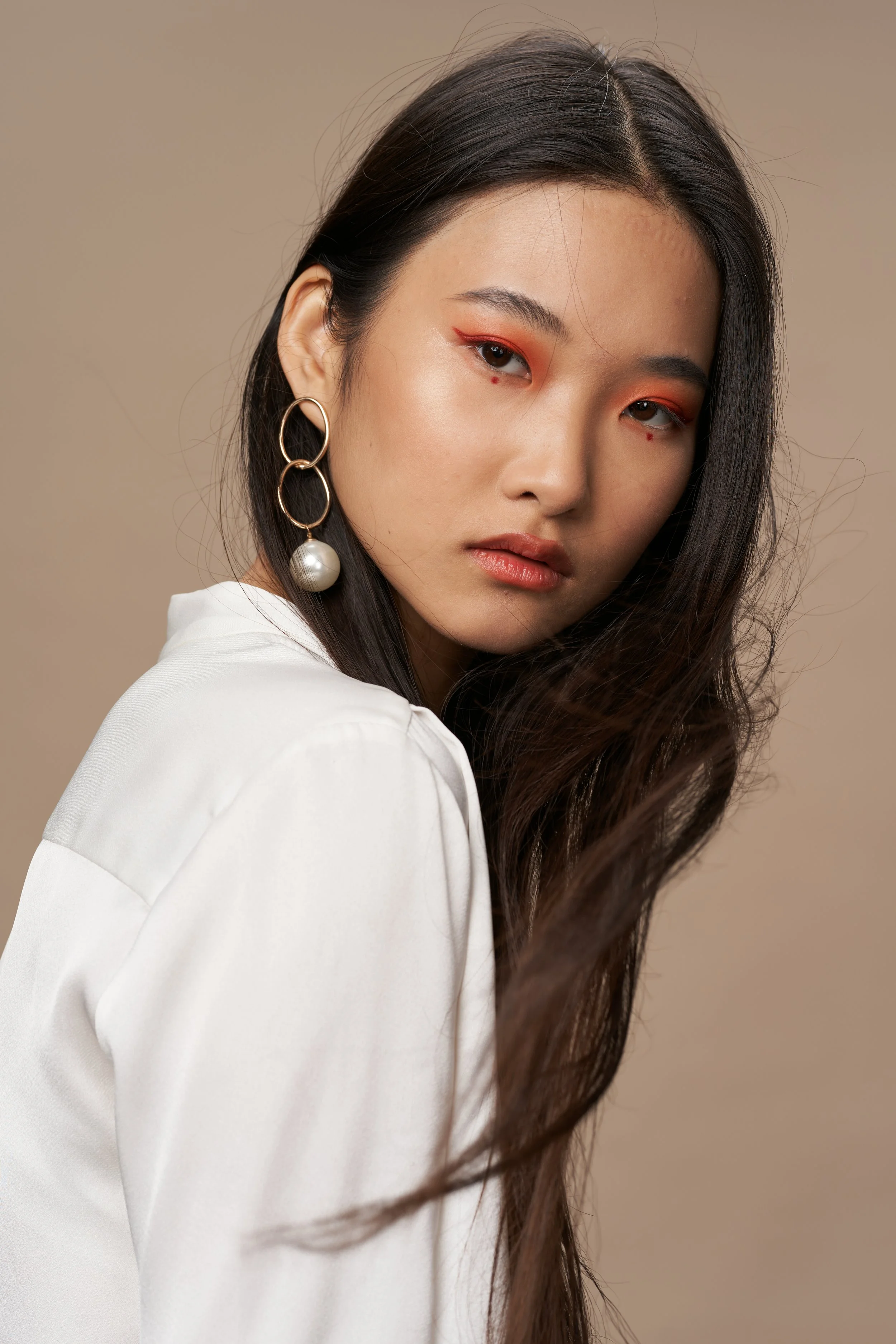
Fashion has expanded Asian visibility, but mostly through a narrow lane: stars from China, Korea, and Japan. Instead of diversifying who gets seen, the industry leans on famous actors and K-pop idols as its primary “Asian” representatives. Meanwhile, Asian American models remain largely absent, revealing progress that is visible—but not wide.

THE BIG 3.
The absence of Southeast Asian and South Asian representation in Western fashion is not incidental. High fashion historically drew from East Asian markets: Japan, Korea, and China, because of their economic influence and perceived cultural modernity. In contrast, nations such as the Philippines, Cambodia, Vietnam, Laos, and Sri Lanka were framed through Western colonial imaginaries as laboring bodies rather than aspirational consumers. As a result, their aesthetics were rendered invisible or unmarketable in the Eurocentric beauty hierarchy that defined “Asian representation” for decades.
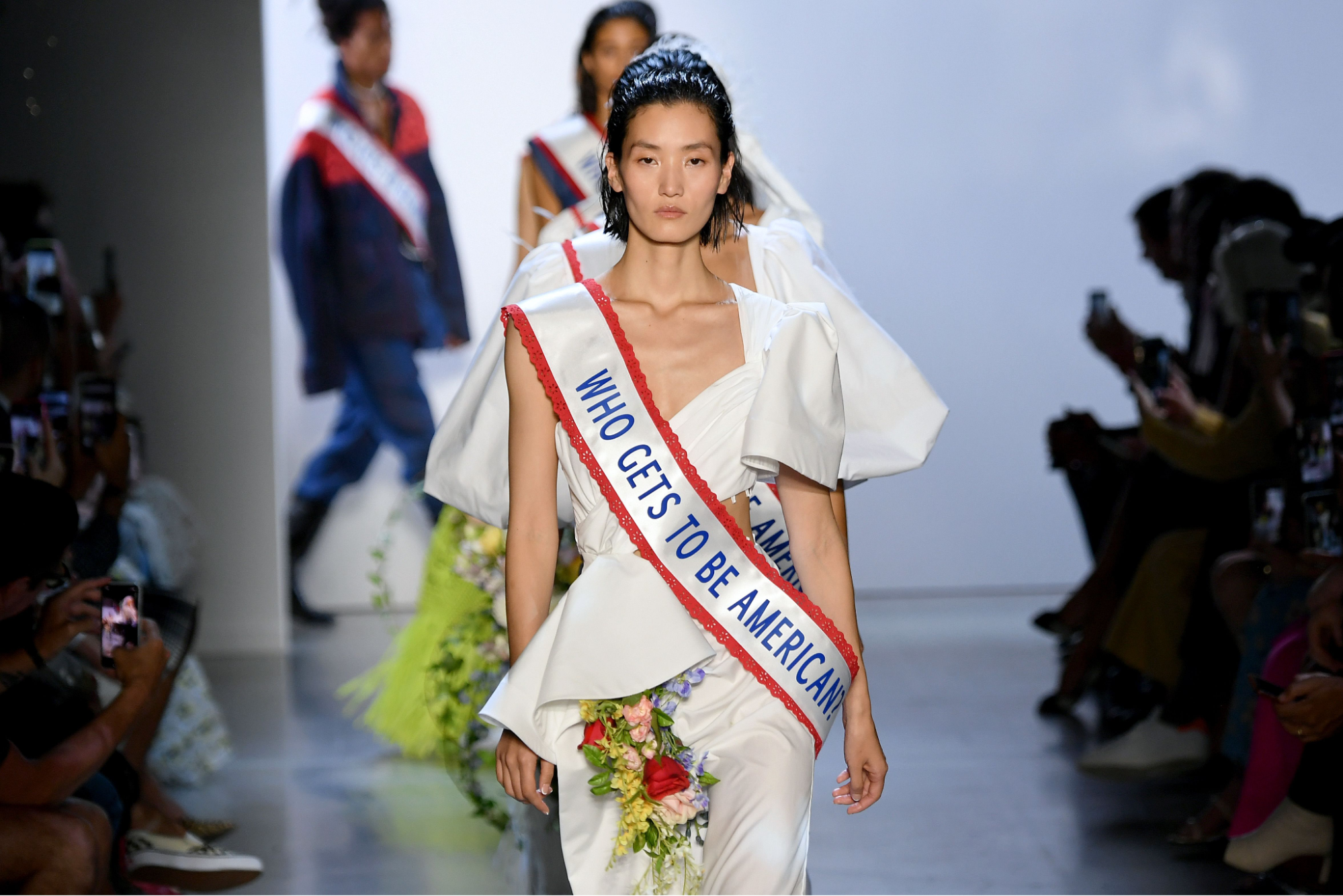
Although Chinese, Indian, and Filipino Americans make up nearly 60 percent of the Asian population in the U.S., only one of these groups— Chinese/East Asian faces — appears regularly in fashion imagery, leaving Filipino and Indian identities statistically significant yet visually absent.
THE DARK DILEMMA.
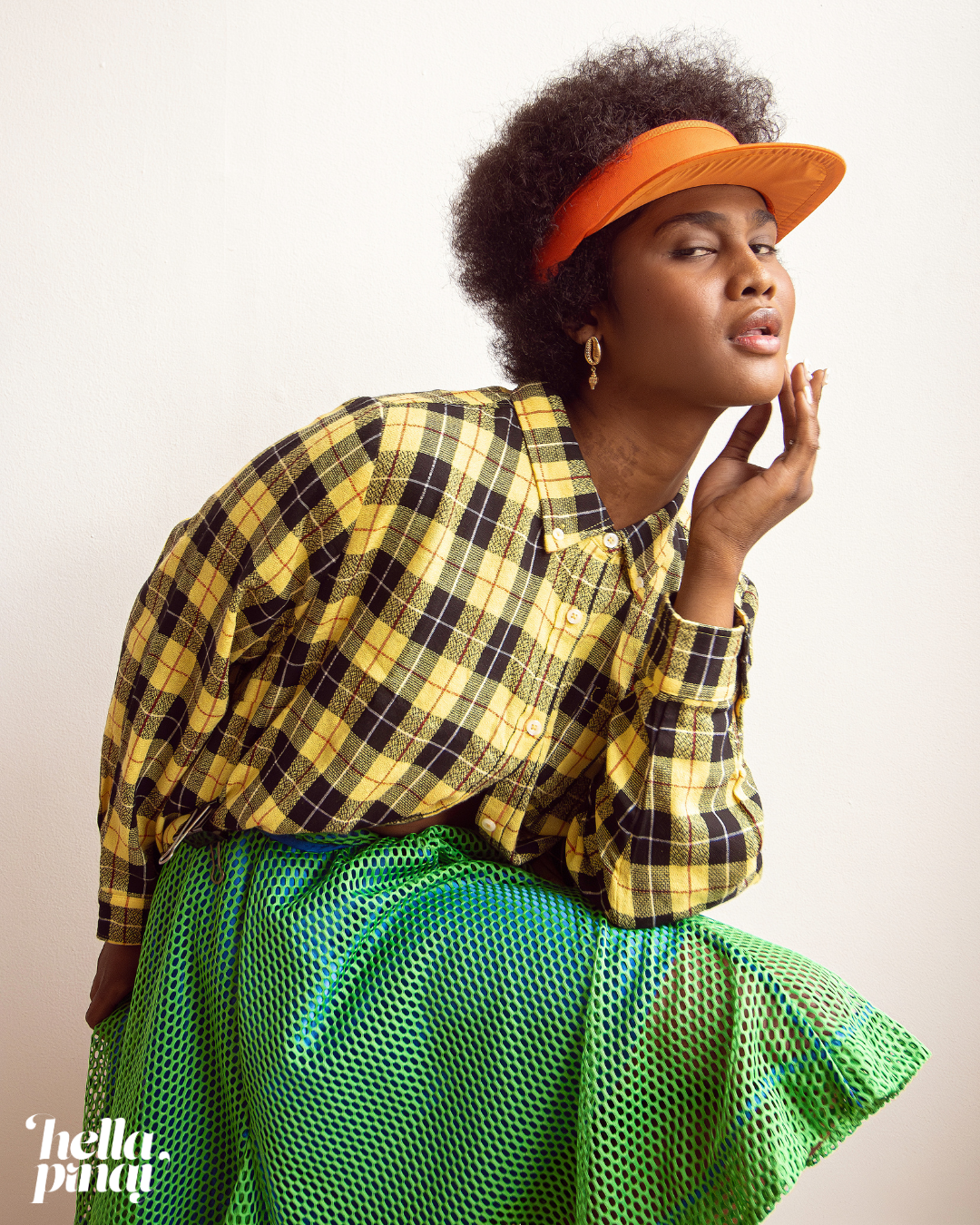
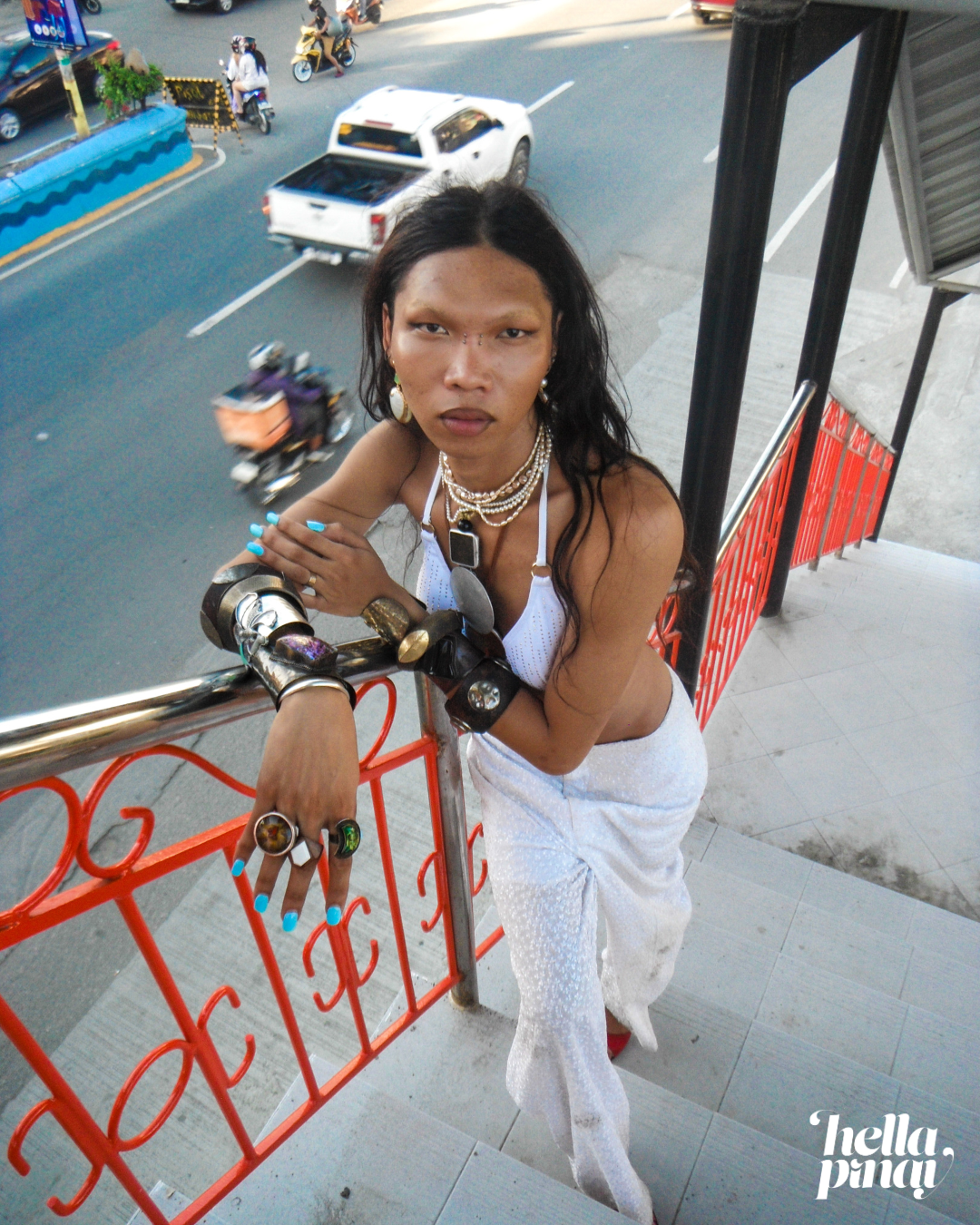
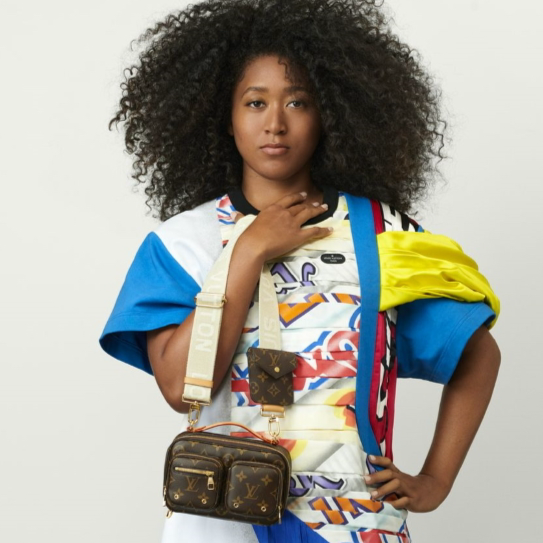
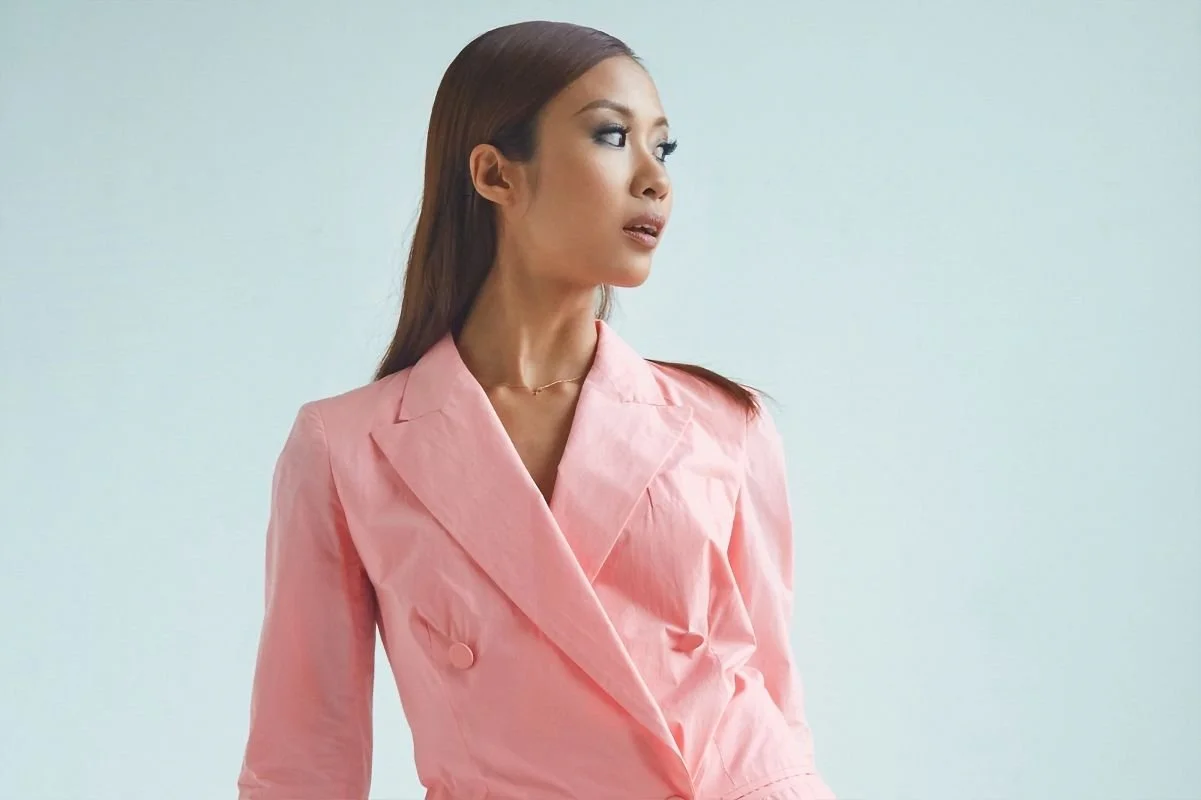
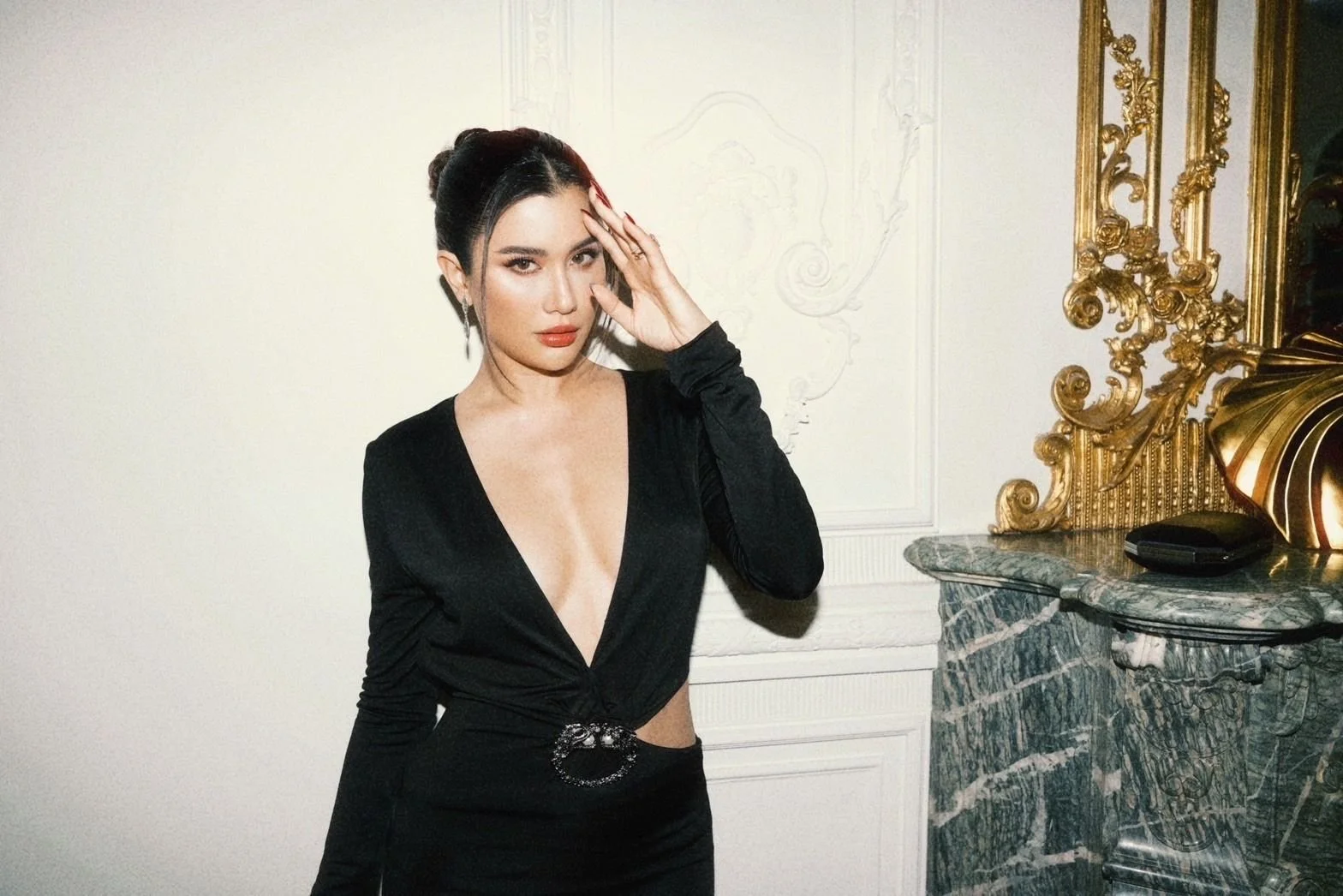
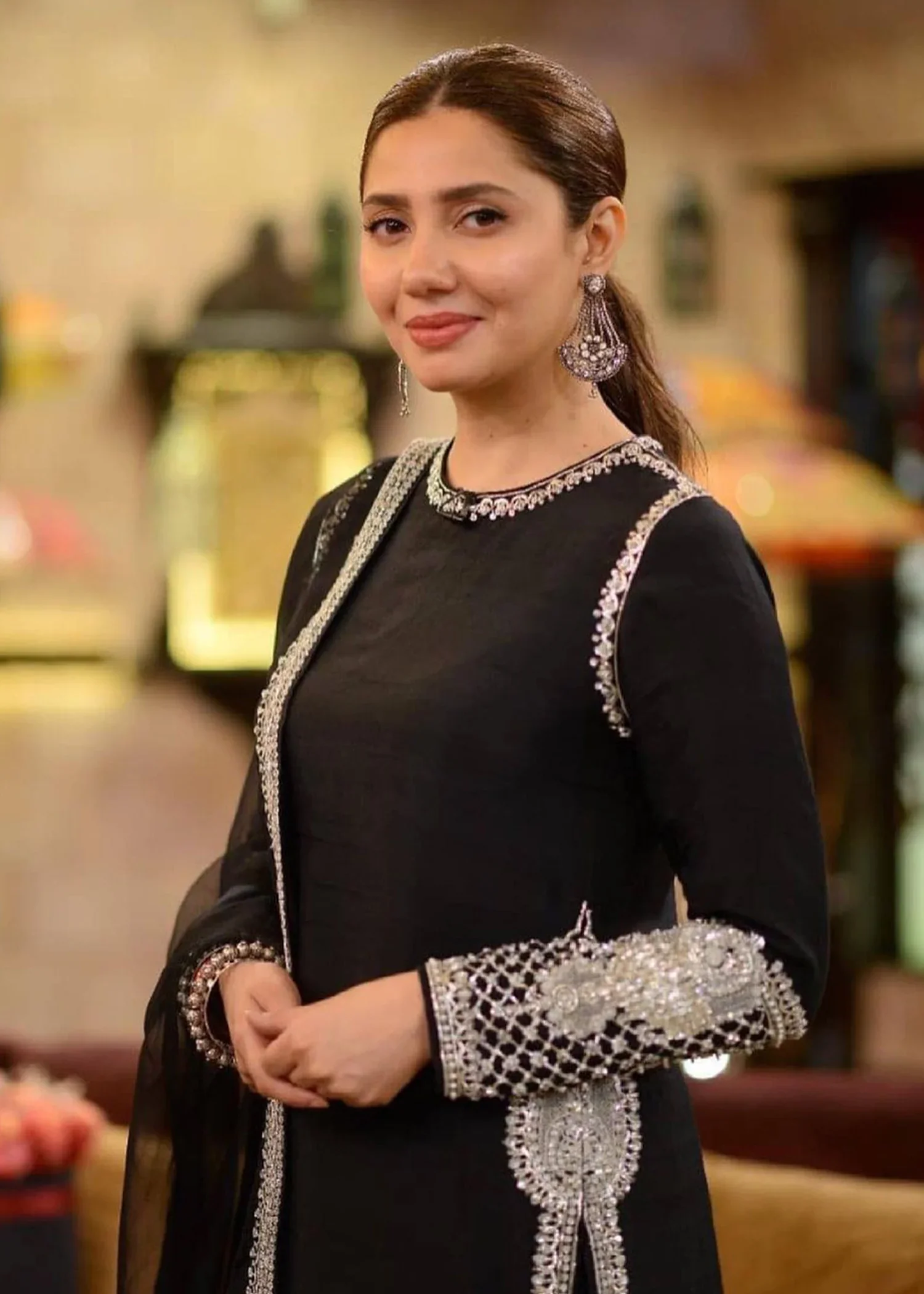
Darker-skinned Asian identities remain largely unseen in fashion because the industry continues to rely on a colorist aesthetic that equates lighter complexions with desirability and marketability. This produces a narrow construction of “Asian beauty” that privileges East Asian features while sidelining Southeast Asian, South Asian, and Pacific Islander faces. Their absence is not accidental but embedded in longstanding colonial and commercial beauty hierarchies that deem darker skin less aspirational. In this system, only certain Asian bodies are granted visibility, while others remain structurally excluded from representing “Asian” in the global fashion imagination.
REPRESENTATION REDUCED.
Why does the fashion industry rely on such a narrow construction of “Asian” identity?
Because fashion still defaults to a marketable, light skinned East Asian look—a blend of colonial fantasy, Western beauty standards, and global luxury spending. It’s easier for the industry to sell one “Asian archetype” than acknowledge Asia’s real diversity.
What forces shape how Asian representation appears in fashion today?
Colorism, old colonial imagery, and East Asia’s buying power. Those three forces decide which faces get cast, which looks get amplified, and which Asians remain invisible.
Are recent moments of “progress” in Asian representation actually inclusive?
Not really. The industry spotlights a tiny handful of Asian models, but they function more as tokens than proof of real change. Their success masks who’s still missing—especially Southeast Asian, South Asian, and darker skinned Asians.
What does the future of representation need?
A wider frame. Real variety. Models who reflect Asia’s actual range, not just its safest-selling version.
THE
ASIA
UNSEEN.
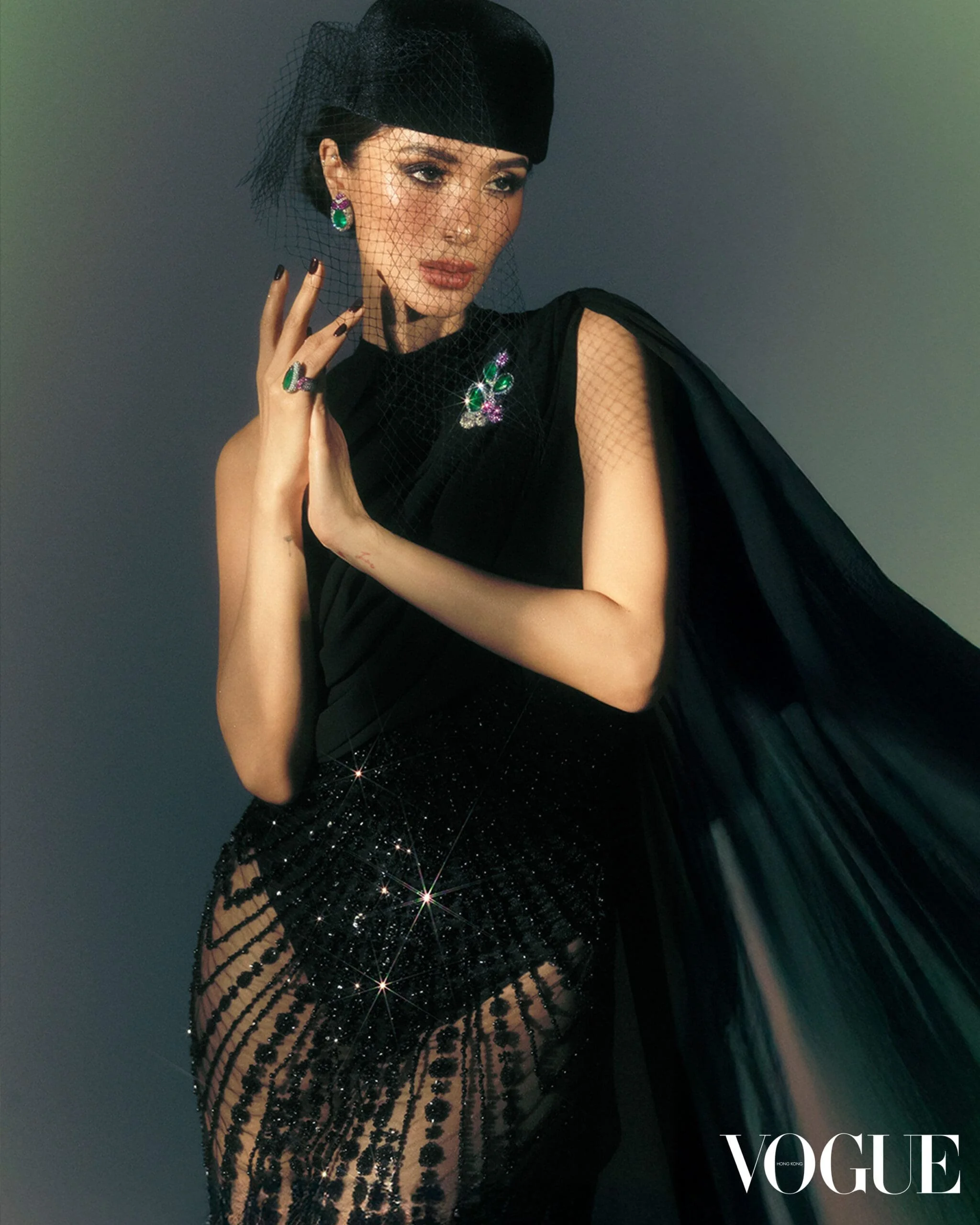
Heart Evangelista, Philippines
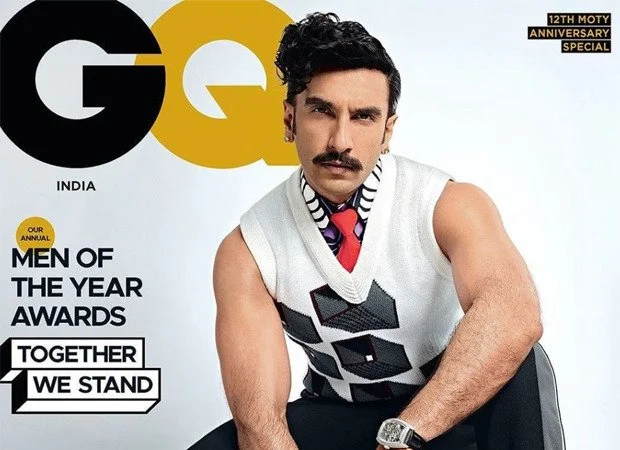
Ranveer Singh, India

Yuna, Malaysia
Mahira Khan, Pakistan
Suboi, Vietnam
Praya Lundberg, Cambodia
OTHER MEDIA.
Media pieces, interviews, and cultural critiques that echo the themes of this project and help situate these visuals within a wider public dialogue.
ADDITIONAL RESEARCH.
Articles and essays that expand on the themes of representation, colorism, and
Asian visibility in fashion and media.
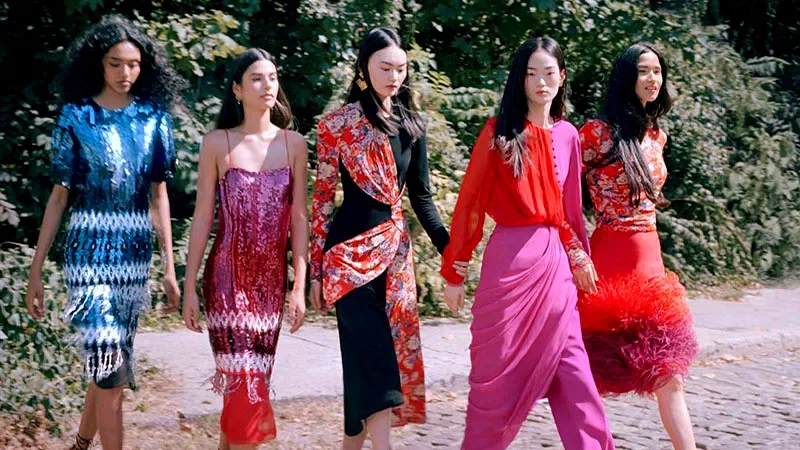
‘Most Woke Man in Fashion’ Casts All Asian Models in New Ad Campaign
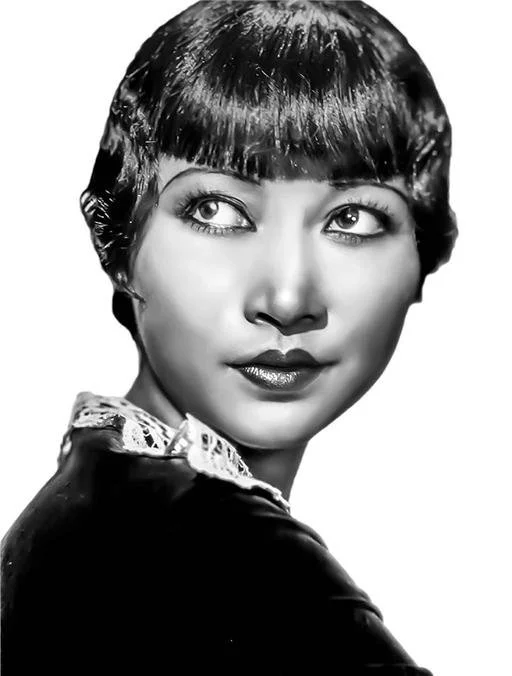
Media Matters: Why Asian American Representation in Media is a Social Justice Issue
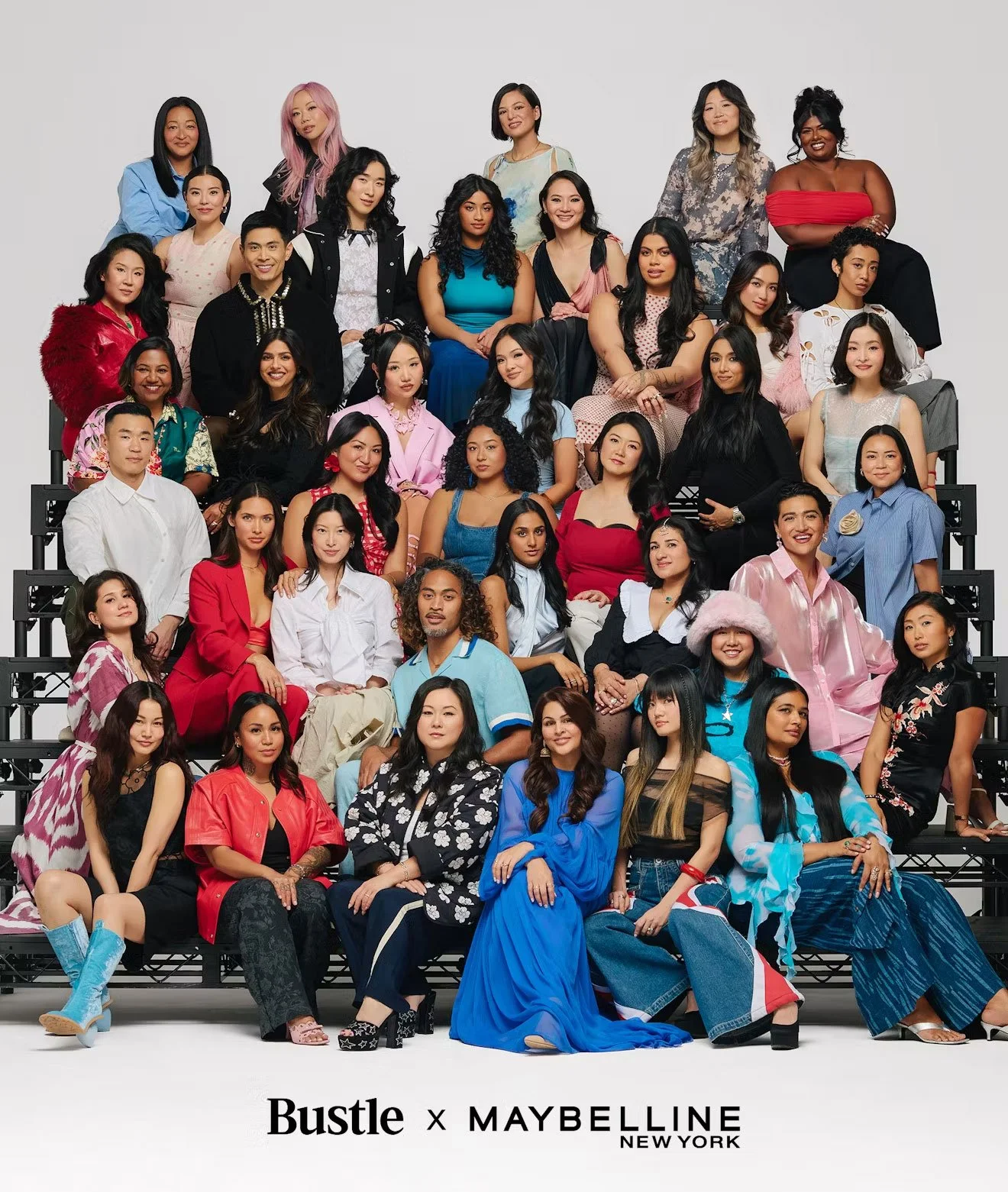
Largest Asian Pacific Beauty Campaign in History Debuts with Cultural Changemakers by Maybelline New York, Bustle, & Gold House
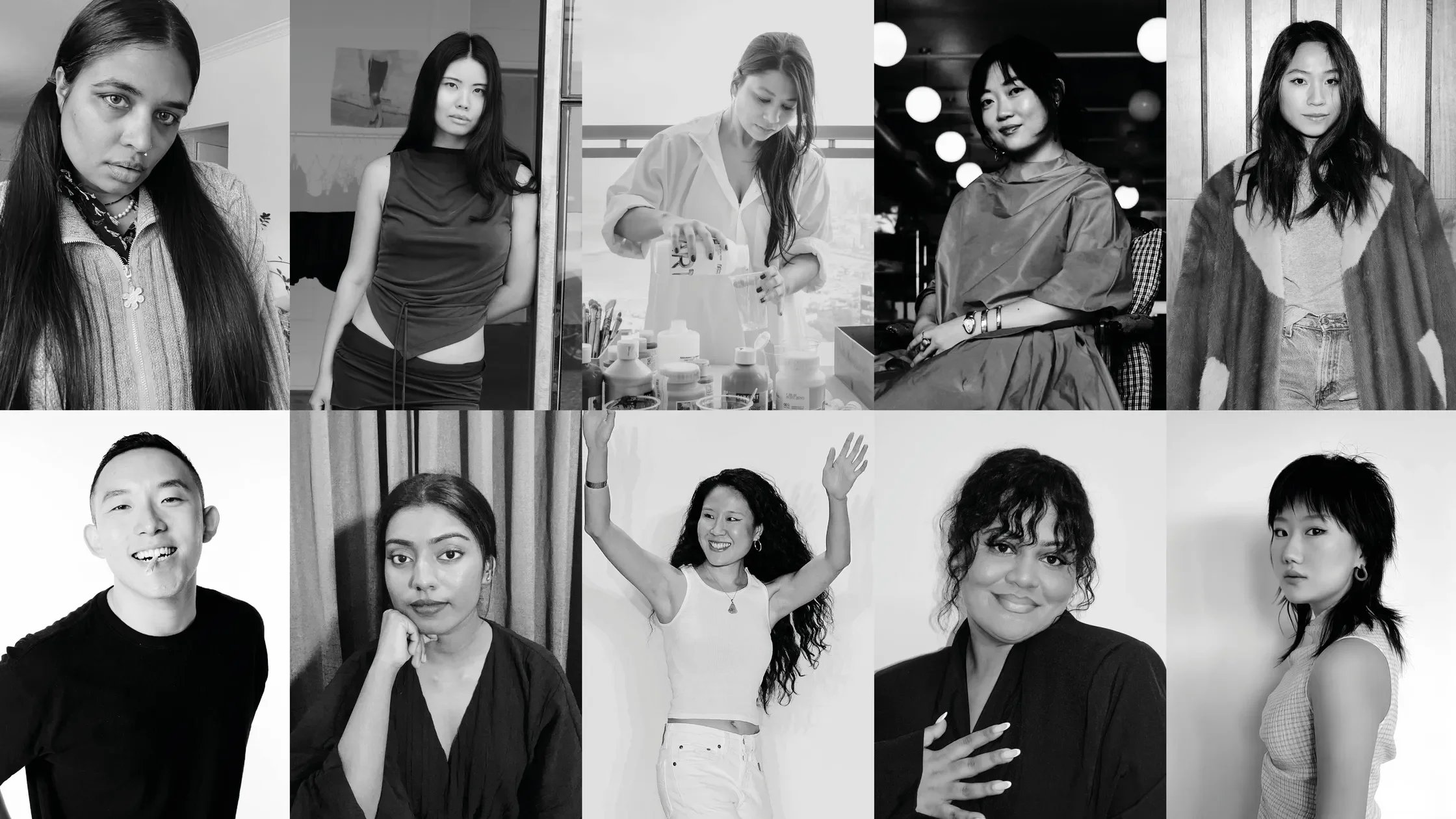
21 AAPI Fashion Designers You Need to Know
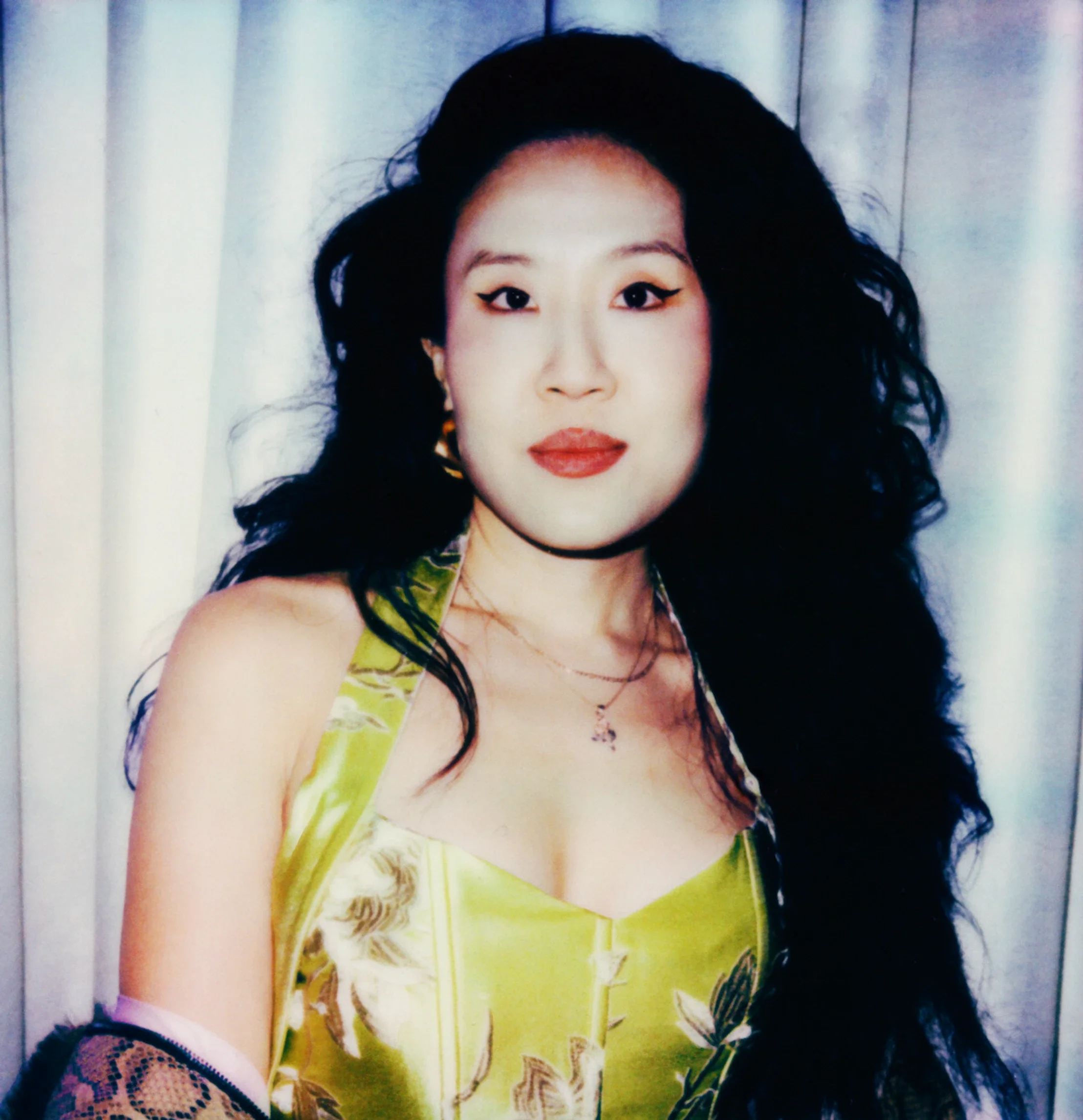
5 Next-Gen AAPI Designers On Culture, Creativity & Inspiration
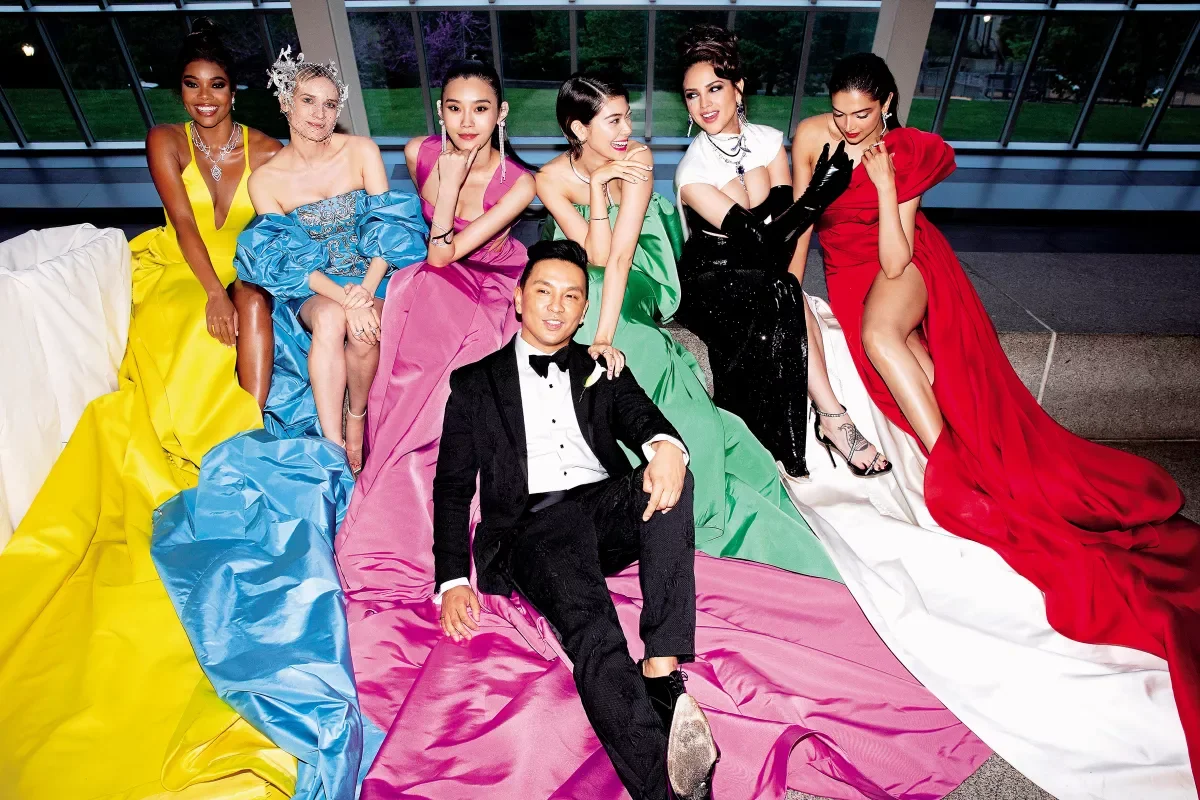
ASIAN AMERICAN & PACIFIC ISLANDER DESIGNERS WHO ARE ROCKING THE FASHION WORLD
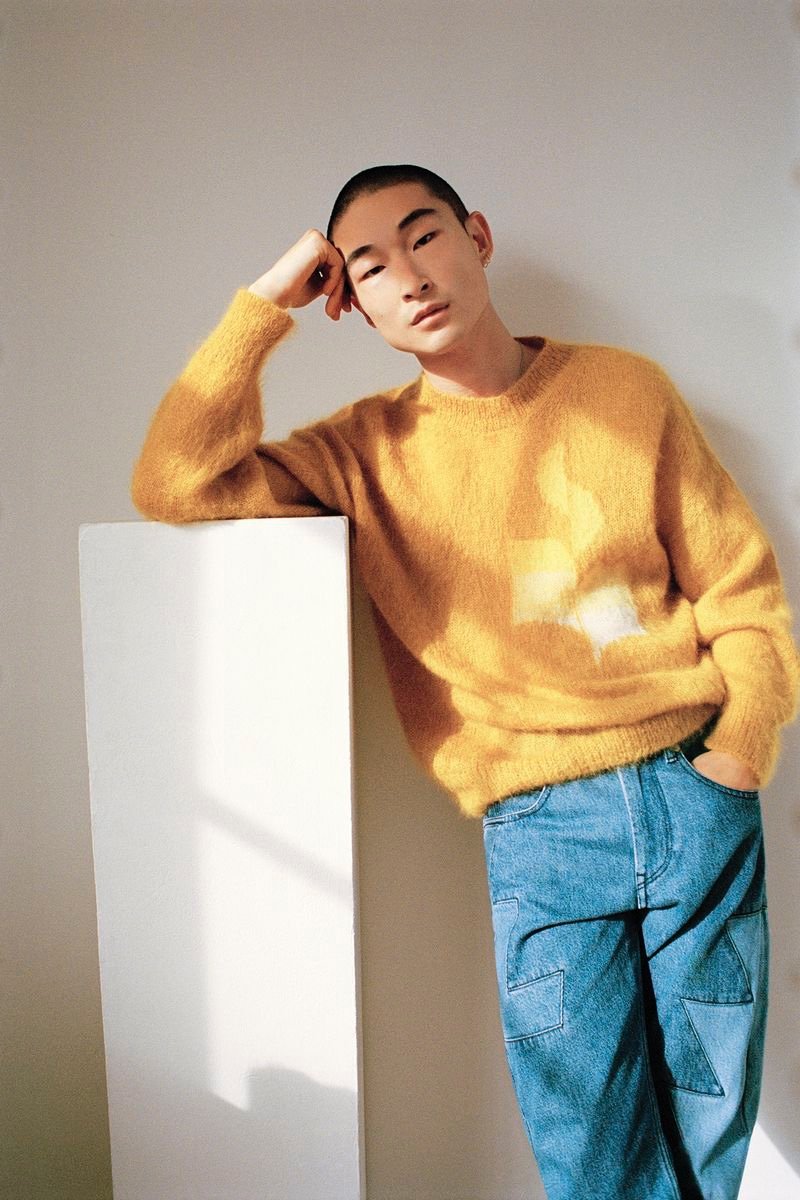
ASIAN MALE MODELS: REDEFINING THE FACE OF GLOBAL FASHION
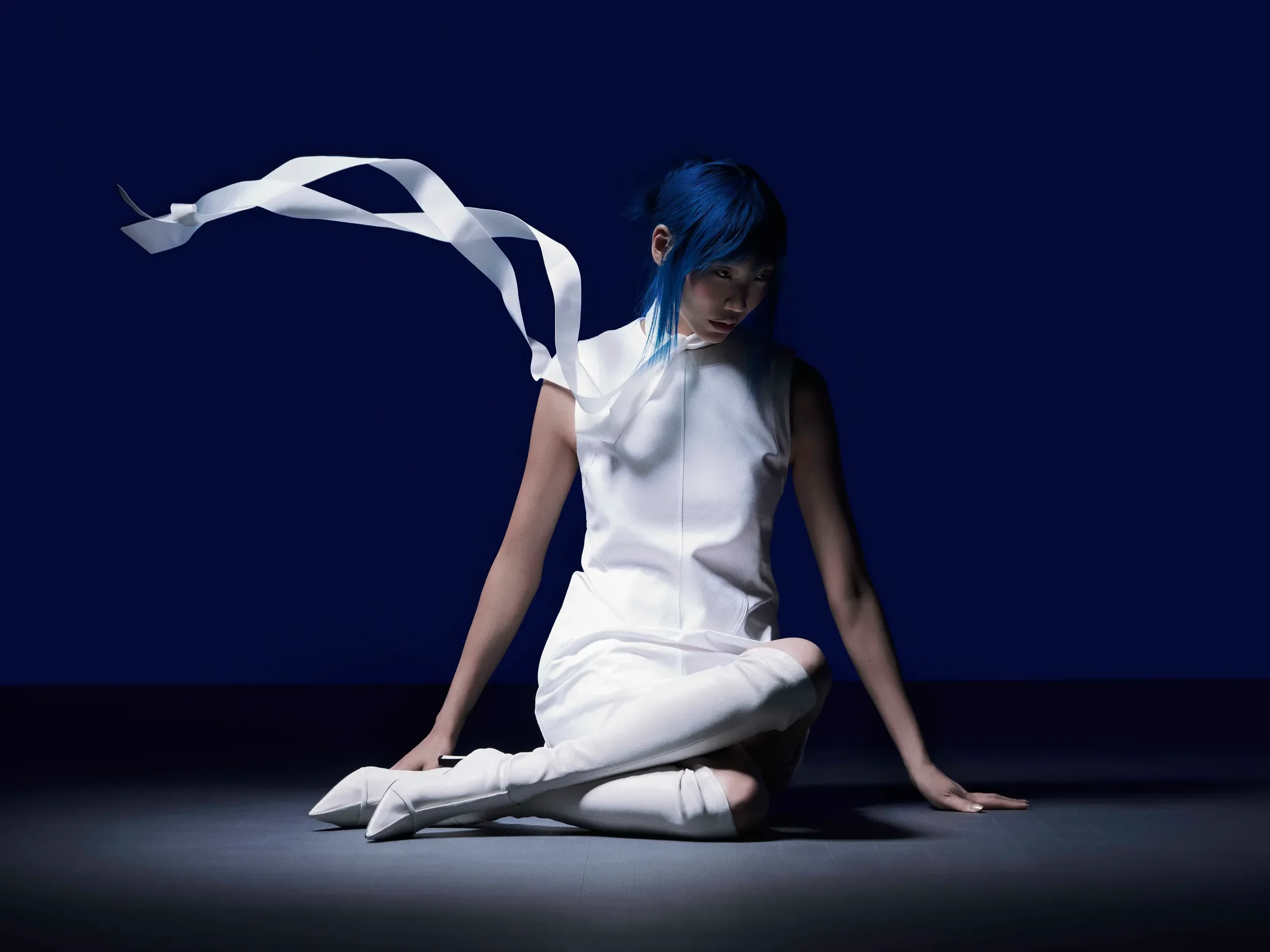
With Her Bold New EP, Model Soo Joo Park Is Inventing Her Own Storyline
EXCEPTIONAL EXAMPLES.
WHERE WE NEED TO BE.
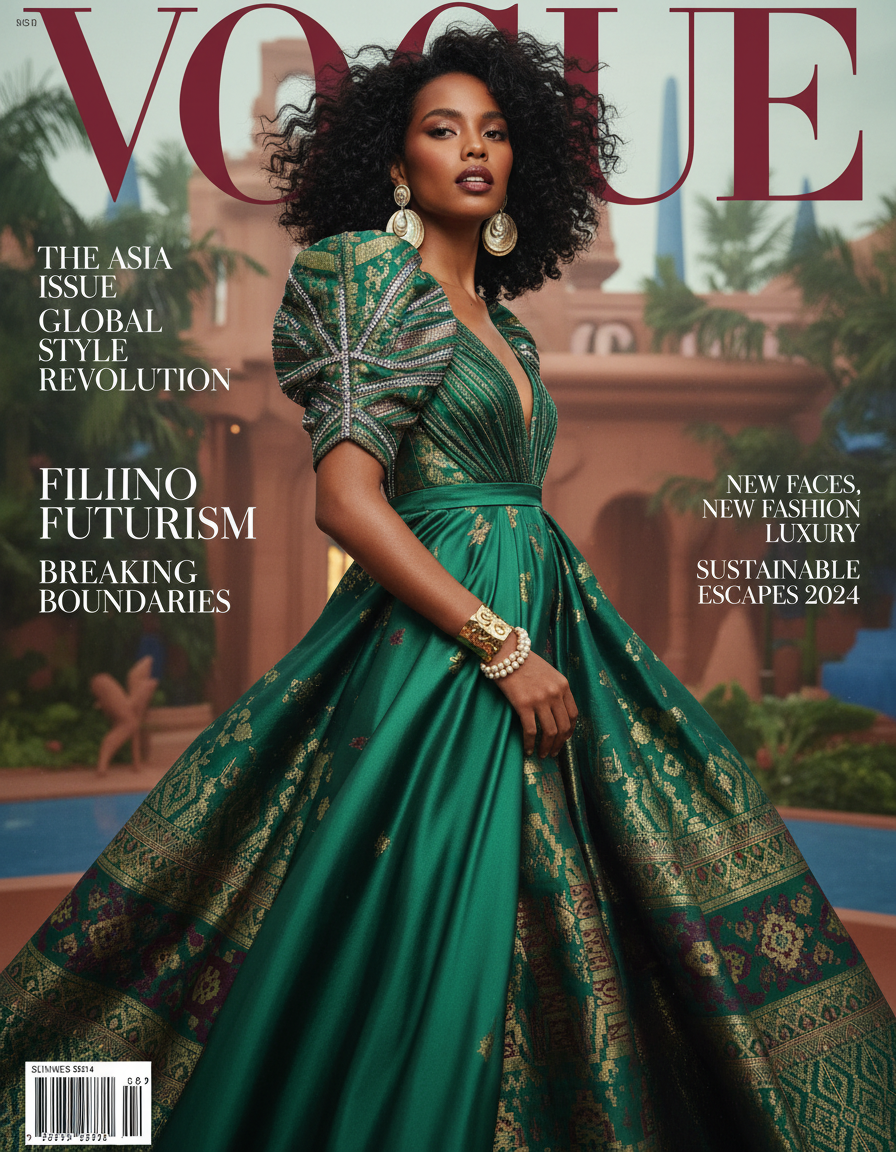
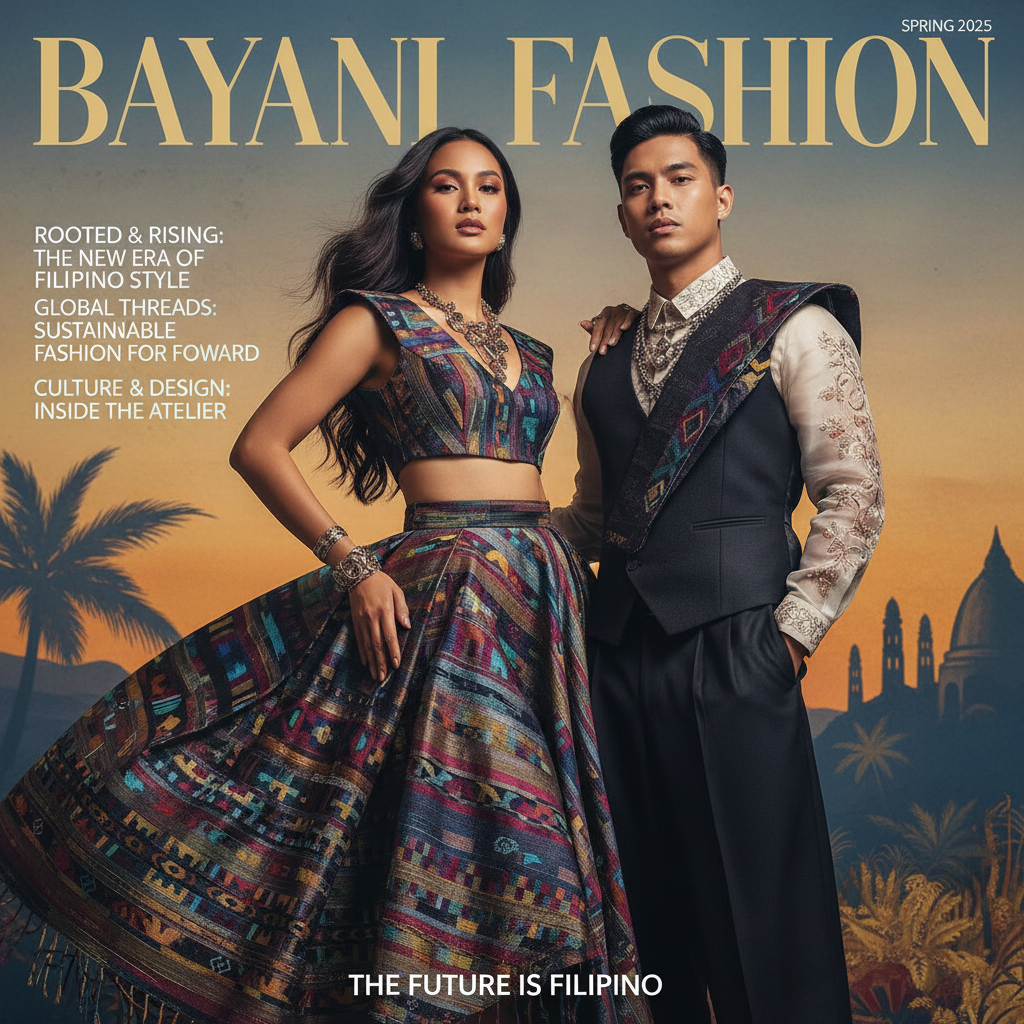
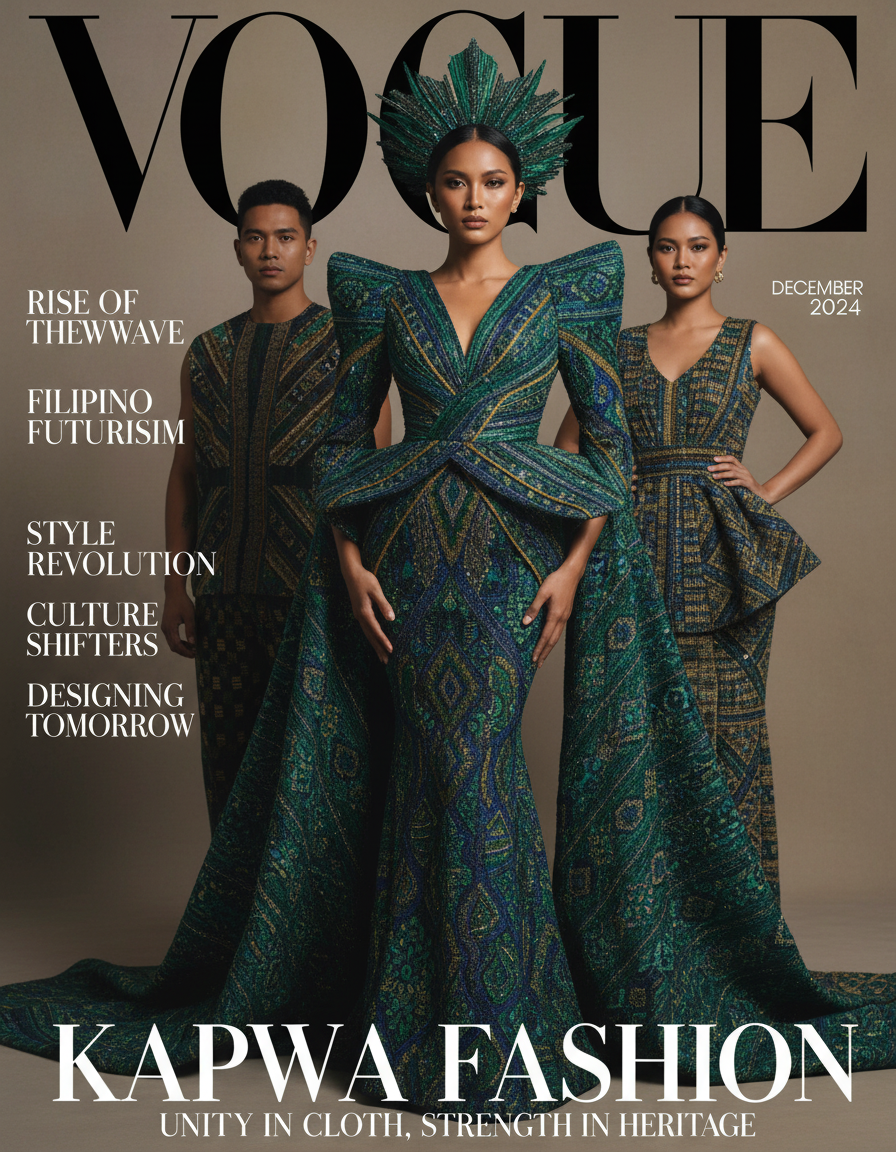
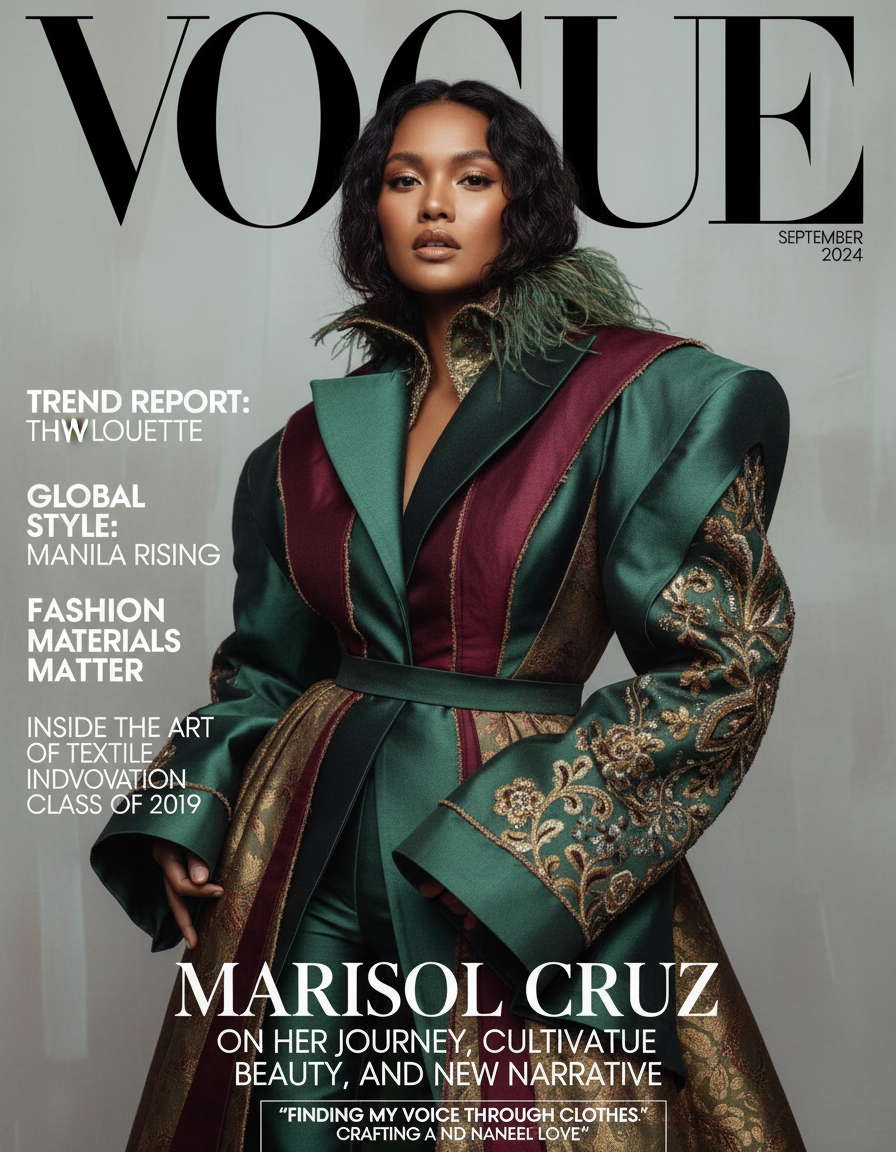
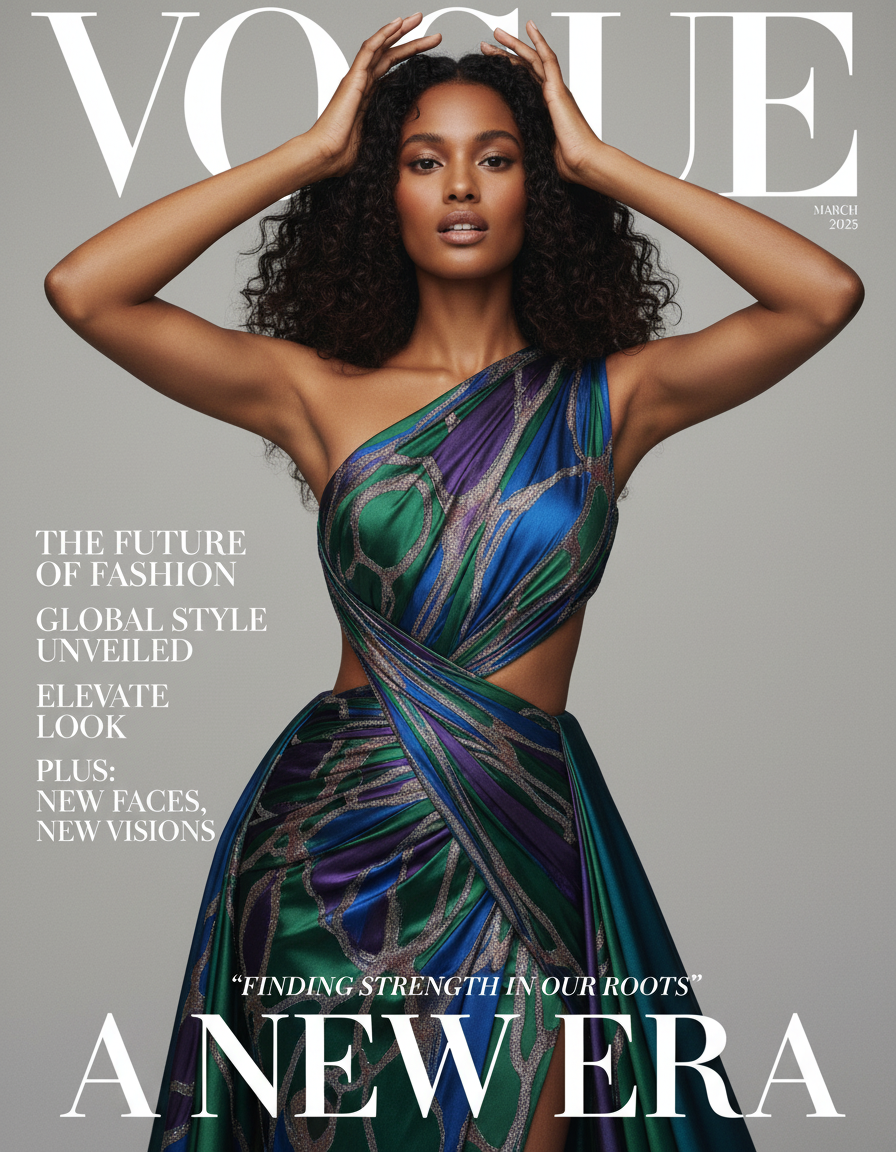
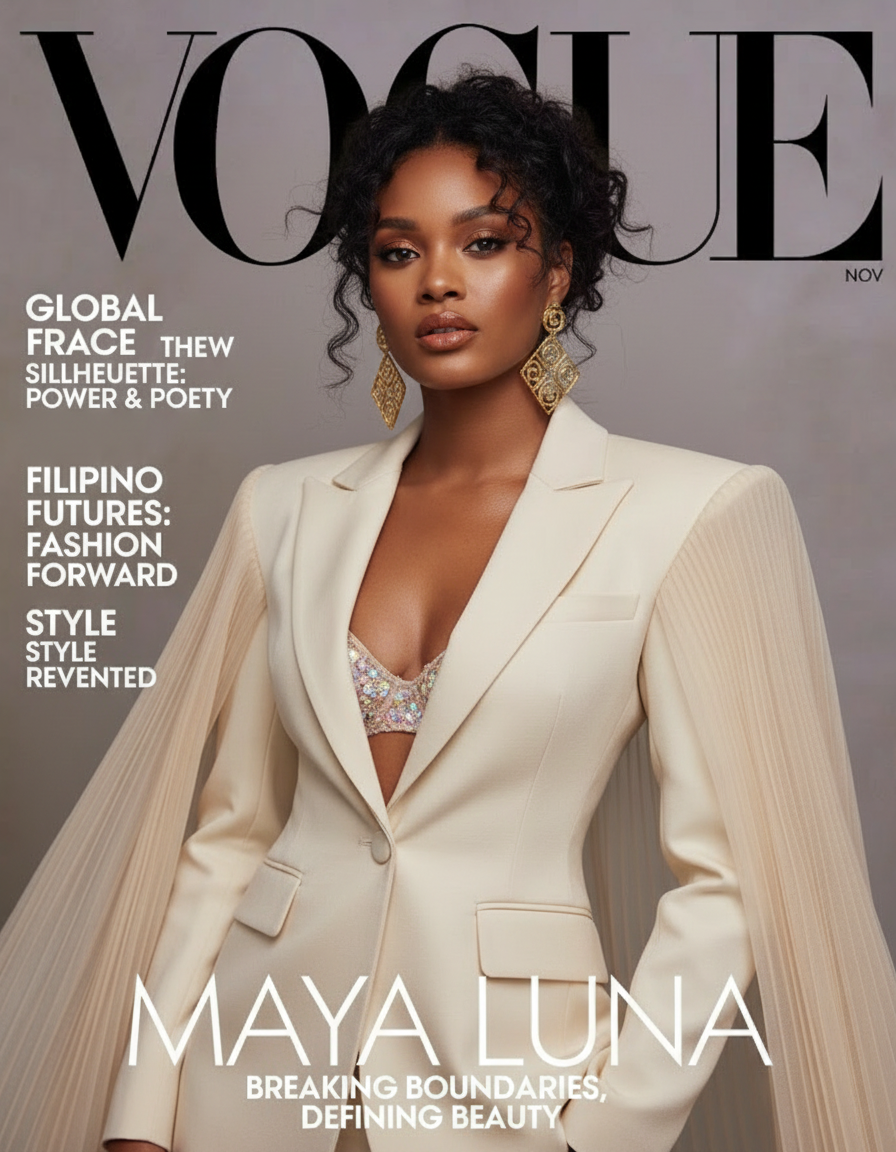
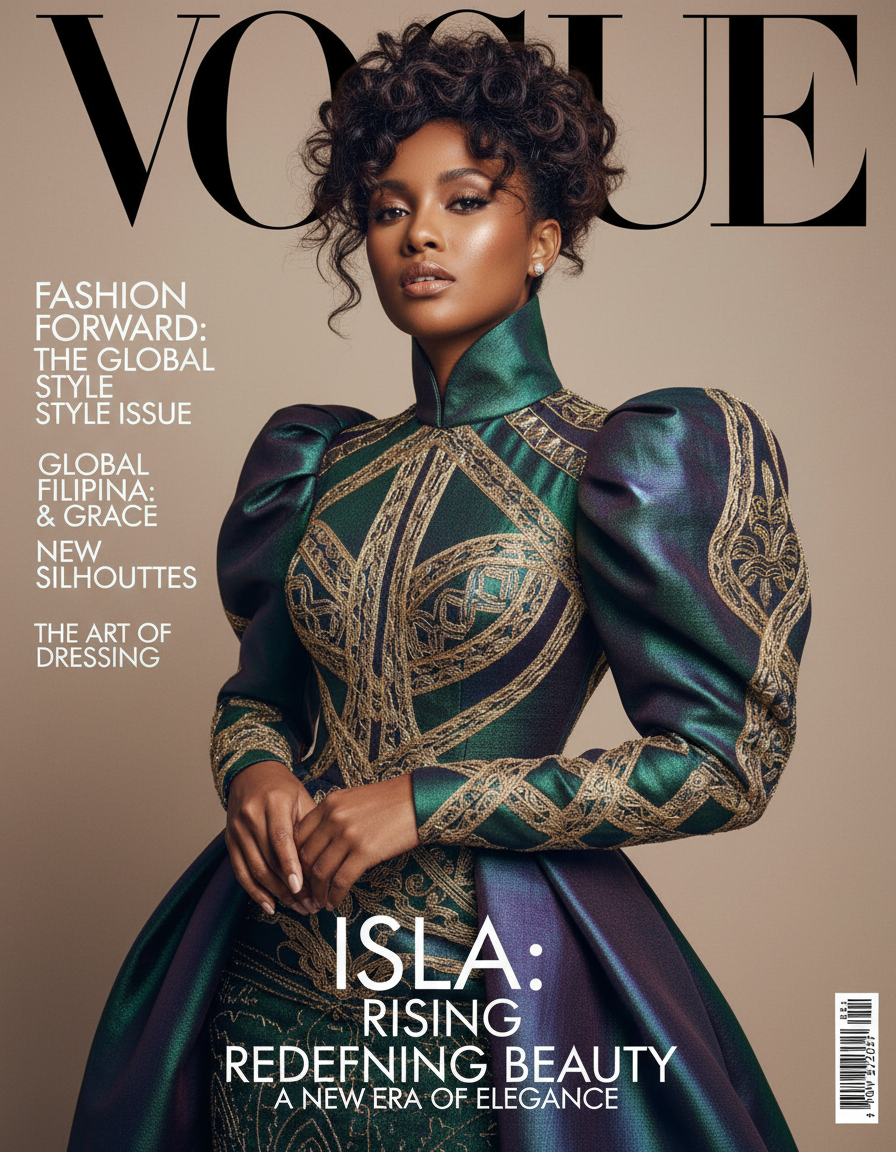
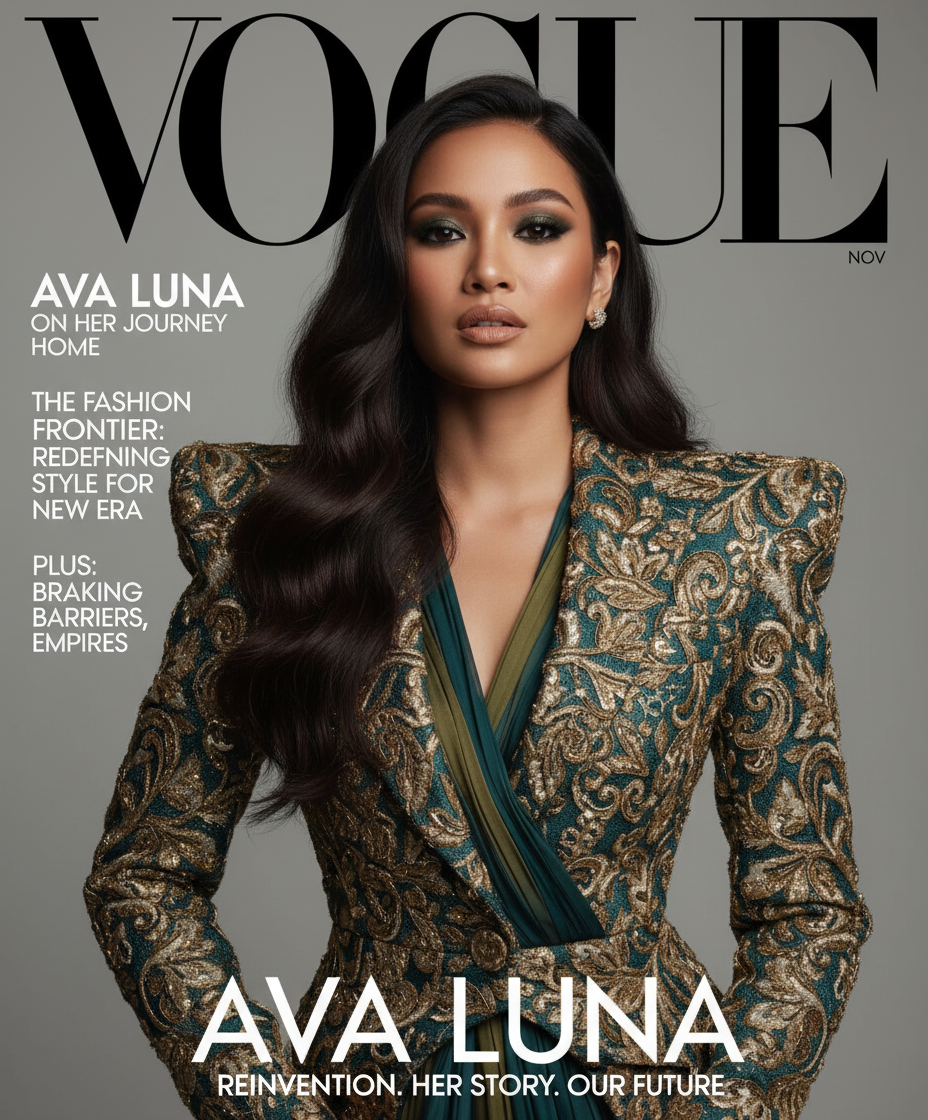
A fashion landscape that reflects the full spectrum of Asian identities—across regions, skin tones, and lived experiences—rather than relying on a narrow, marketable few. Asians cannot be tokenized, used as props, placed as “one of many,” or reduced to box-checking diversity. Representation must move beyond K-pop celebrity stand-ins and make room for Asian Americans, ensuring the images we see actually reflect the people who are here.